Sushi-Making Experiences Near Toyosu Market
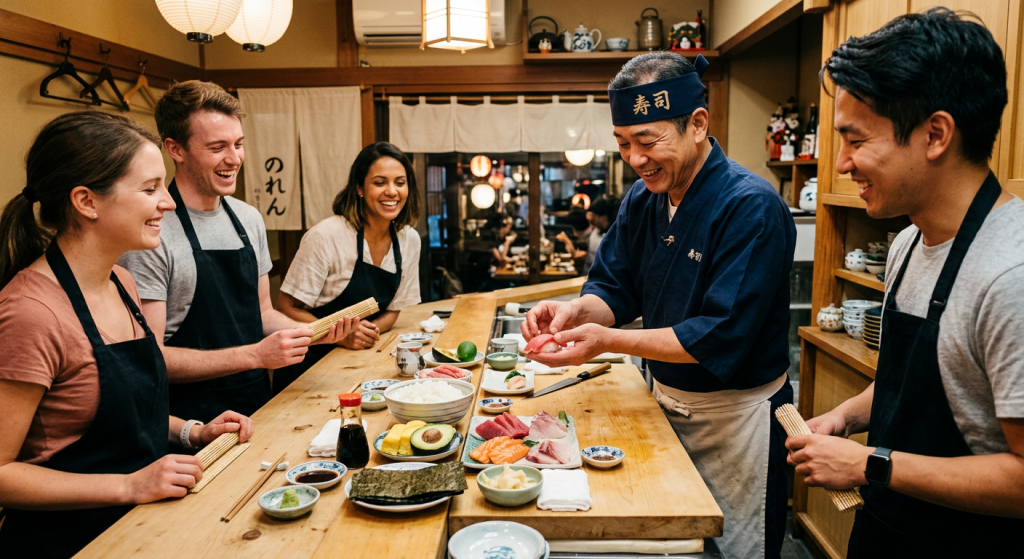
Quick answer: Toyosu itself has no casual sushi studio for tourists – instead, visitors join guided tours of the Toyosu Fish Market followed by hands-on classes. For example, one private experience combines an “exclusive behind-the-scenes journey” through Toyosu’s wholesale floors with a master sushi chef’s class, including tuna cutting and sushi-making. Another popular tour (suitable for groups up to 6) starts at Toyosu, adds a visit to nearby Tsukiji Outer Market, and ends with sushi-making in Azabujuban. Each option includes English instruction, fresh ingredients, and the chance to eat what you make.
If Toyosu tours are fully booked or you’re staying nearer Ginza/Tsukiji, consider a Tsukiji-based class instead. Many Tsukiji workshops (convenient from central Tokyo) last 2–3 hours and teach nigiri and maki techniques in English. These don’t include a Toyosu tour but are an accessible alternative with fresh market ingredients.
Comparison of Sushi Classes Near Toyosu
| Experience | Area & Nearest Station | Duration | Price | Language | Private/Group | Market Tour | Special Features |
|---|---|---|---|---|---|---|---|
| Toyosu Market Tour & Sushi Hazan Class<br/>(Wabunka) | Nishi-Azabu (Azabujuban Station) | 4 hrs | From ¥60,000 | English | Private (1–8) | Yes (Toyosu) | Edomae-style sushi; Michelin-starred chef |
| Toyosu & Tsukiji Market Tour + Sushi<br/>(Japan Food Journey/Viator) | Toyosu Station → Tsukiji (midway) | 4 hrs | From ¥45,000 | English | Small group (≤6) | Yes (Toyosu + Tsukiji) | Tuna-cutting demo; visit two markets |
| Toyosu Shopping & Sushi Class<br/>(GoWithGuide – Tetsuro K.) | Toyosu Station (Yurikamome) | ~5½ hrs | ~¥60,000 (est.) | English | Private (1–6) | Yes (Toyosu) | Class at “Kanosan’s Kitchen”; slicing shrimp & fish |
| Tsukiji Sushi Workshop<br/>(Japan Wonder Travel) | Tsukiji (Higashi-Ginza Station) | 2.5 hrs | From ¥9,800 | English | Group (up to 20) | No | Make 5 nigiri + 1 roll; includes sushi lunch |
Each experience includes making sushi by hand using top-quality seafood. The Wabunka Sushi Hazan tour is fully private and led by a Michelin-trained chef – after a guided Toyosu Market visit, you return to Sushi Hazan (Azabujuban) to learn Edomae-style nigiri and maki. In contrast, the Japan Food Journey tour is a small-group tour that adds Tsukiji’s Outer Market. Guests start at Toyosu at 7:00 AM, then see Tsukiji’s wholesale area, and finish with a 1½ hr sushi lesson in Azabu. Both of these include English-speaking guides and let you eat your creations (and even taste fresh tuna) along with lunch.
The GoWithGuide (Tetsuro) option is fully private and flexible. Your instructor escorts you into Toyosu’s wholesale auction floors (normally closed to casual visitors). After about 30–40 minutes exploring Toyosu Market and a quick shopping stop, you travel to a local kitchen for a hands-on session. The guide provides all ingredients – including bluefin tuna, snapper, shrimp, scallops and more – and you practice filleting or grating wasabi as well as forming sushi. Children 13+ can join this tour, and it’s ideal for travelers who want a deep dive (note: being an hour-plus journey from Toyosu, plan ~5–6 hours total).
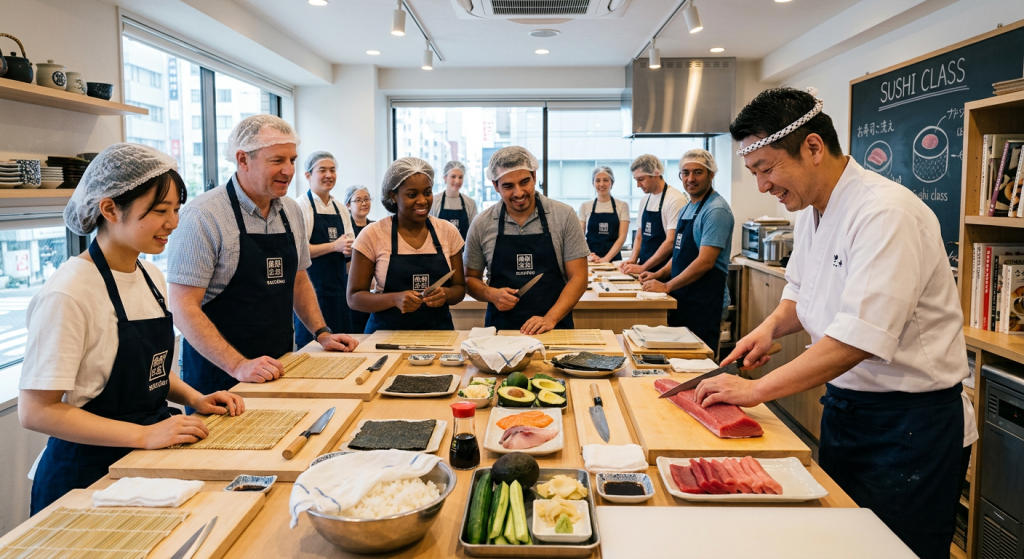
For a simpler or shorter class near Toyosu, the Tsukiji workshop is convenient. Held just outside Tsukiji Fish Market, this 2.5-hour class covers nigiri and roll sushi. You learn sushi history and techniques in English, then make 5 nigiri (tuna, salmon, shrimp, snapper, plus a gunkan roll) and a maki roll. It includes your sushi lunch. While it lacks a Toyosu tour, it’s accessible by subway from Toyosu (e.g. Toyosu → Oedo Line via Shiodome). This class welcomes beginners and even teens (group classes up to 20) and is a good backup option if Toyosu-specific tours are full.
How to Choose the Right Sushi Experience

- Location: If you must experience Toyosu Market, choose a tour that starts there. The Wabunka and GoWithGuide tours offer exclusive market access. If you’re near Ginza or Tsukiji, consider a Tsukiji sushi class (no Toyosu visit) since these start closer to Ginza station.
- Time & Duration: The Toyosu-market tours are half-day activities (4–6 hours) starting early. The class-only workshops are shorter (2–3 hours) and can fit into a tighter schedule.
- Group Size: Private tours (Wabunka, GoWithGuide) require 1–6 people and offer personalized pacing, while the Japan Food Journey and Tsukiji classes are small-group experiences (up to 6 or 20). Solo travelers can join any, but private tours may become expensive for one person (Japan Food Journey charges per person even if you’re alone).
- Market Tour vs. Class-Only: If you prefer seeing a working fish market (Toyosu’s tuna auction areas or Tsukiji’s vendors), pick a tour with a market component. For a quick cultural experience, a stand-alone sushi class in Tsukiji or central Tokyo might suffice.
- English Instruction: All the above options provide English-speaking instruction, suitable for beginners and travelers. (Be sure to confirm language when booking, especially for smaller providers.)
- Budget: Expect to pay more for private market tours (around ¥60,000 per person and up) versus group classes (around ¥9,000–15,000). Prices can vary by season and platform; always check the latest rates on the official booking page.
- Age & Accessibility: Check minimum ages: some tours (e.g. GoWithGuide) set a 13+ age limit, while others allow younger kids (Japan Food Journey allows children 6+). Dietary restrictions are usually accommodated if declared ahead of time; for example, the Klook-class advertises vegetarian/halal options upon request. Ask about allergies or vegetarian sushi options before booking.
What to Expect in a Sushi-Making Class
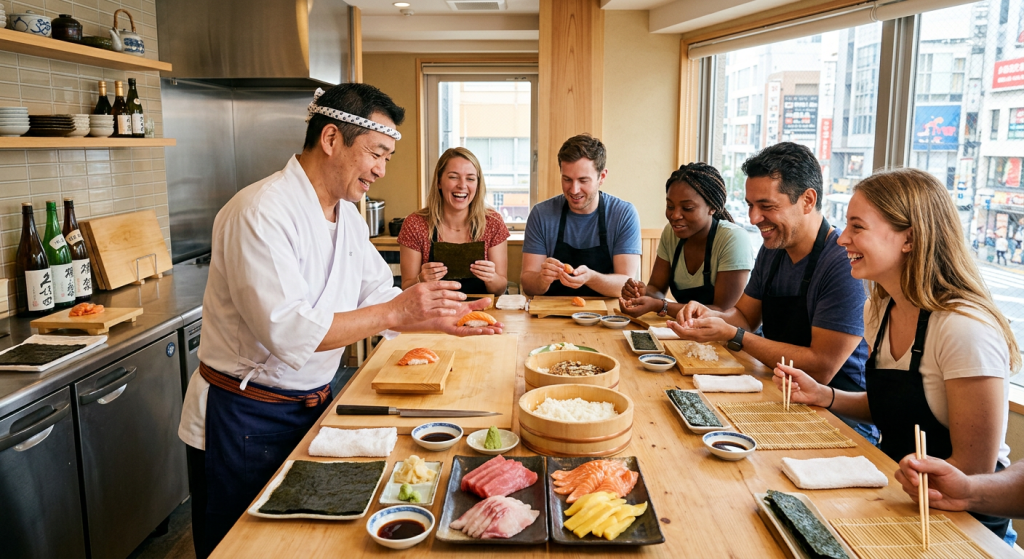
In any class you’ll learn the basics of sushi rice seasoning and proper pressing (nigiri) or rolling. In practice, guides often mix sushi rice first, then demonstrate fish cutting and assembly. For example, during the Japan Food Journey tour you’ll watch a professional fillet sea bream and grate wasabi live. On small-group Tsukiji classes, you’ll receive set ingredients and follow an instructor step-by-step to form nigiri and maki. Most classes let you eat your own sushi (as a light lunch) and sometimes include extra tastings or market snacks. Expect casual, hands-on instruction – questions are welcome. Wear comfortable clothes (market floors can be cool) and close-toed shoes.
Price, Booking, and Cancellation
Prices: The private Toyosu tours start from around ¥60,000 per person (private group rates). Group tours are cheaper per person; for example, Japan Food Journey’s Toyosu/Tsukiji tour runs about ¥45,000 (≈$295). Tsukiji-only classes cost ¥9,000–15,000 (≈$60–100) per person. Always verify the current price on the official booking or provider website. Note: some listings (e.g. travel agents or booking sites) show per-person prices but may require minimum group sizes.
What’s included: Most experiences cover ingredients, equipment, and English instruction. The Toyosu market tours typically include market entry and all food made (some even include the tuna you cut). Drinks and transportation are usually not included, so factor in your transit costs. For private tours, confirm group size and any surcharge for solo travelers.
Booking & Cancellation: These classes can fill up, especially in peak season. Book well in advance if possible. Many tours offer free cancellation up to 24–48 hours before the start. Check the policy on your booking page. Some private guides (e.g. Wanotabi) require direct inquiry and booking via email.
Dietary, Children, Solo Travelers
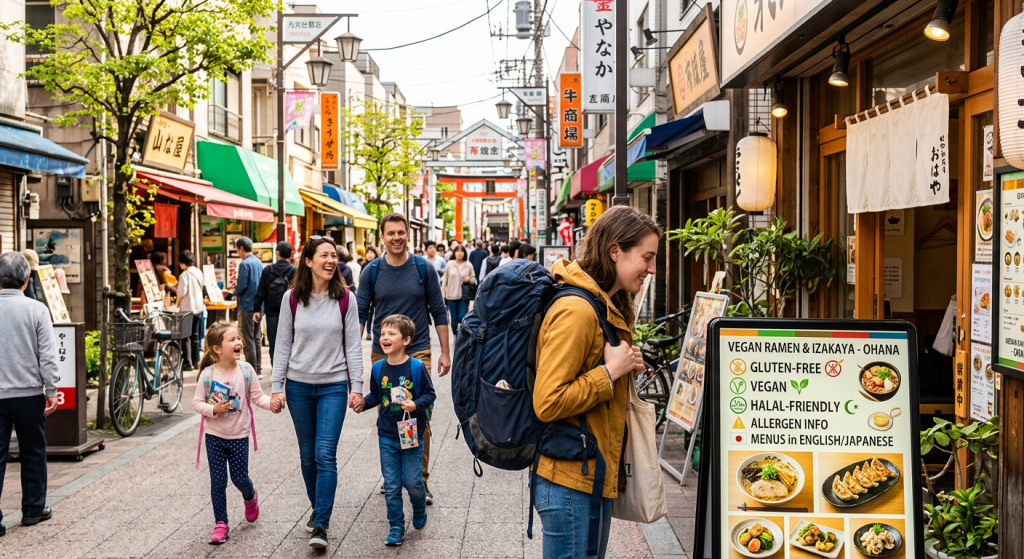
- Allergies & Diets: Inform the provider of any allergies or dietary restrictions when booking. Most classes accommodate vegetarians or mild allergies by substituting non-fish ingredients. E.g. one Toyosu tour notes vegetarian/halal options are available on request. However, fresh tuna and shrimp are standard, so double-check at booking.
- Children: Many experiences welcome kids, but rules vary. The Japan Food Journey tour allows ages 6+, whereas the private Toyosu shopping tour requires participants to be 13 or older. The Tsukiji group class is kid-friendly (they even have “kid-friendly” sessions noted by some providers). Ask in advance if traveling with children under 12.
- Solo Booking: A few options (like group classes) allow single bookings. Private tours may carry a minimum charge; the GoWithGuide option notes it’s relatively expensive for one person. If you’re alone, check if solo rates apply or if you can join a group class. The Tsukiji group workshop explicitly says solo travelers are welcome.
Other Nearby Sushi Class Options
Since true Toyosu-area classes are few, travelers often look at adjacent areas:
- Tsukiji: Home to several English-language sushi workshops. These don’t include a Toyosu visit, but they use market-fresh ingredients. For instance, Japan Wonder Travel’s Tsukiji class (up to 20 guests) combines an outer-market stroll with a sushi lesson.
- Ginza/Tokyo Station: There are studio classes in Ginza or Nihonbashi. Some are private and themed (e.g. lunch in a sushi restaurant), but they generally don’t involve market tours.
- Asakusa/Shinjuku: Group cooking studios offer sushi lessons (often with casual Japanese food). These are farther from Toyosu but widely available. Only choose these if your schedule is tight and Toyosu/Tsukiji isn’t a must.
Each nearby class differs: ask if they include fish shopping, custom ingredients, or just teach rolling techniques. If freshness is your priority, the tours connected to the real markets (Toyosu/Tsukiji) deliver the closest “fish-market” experience.
Sushi Making Kakida: A Premium, Hands-On Sushi Experience in Tokyo
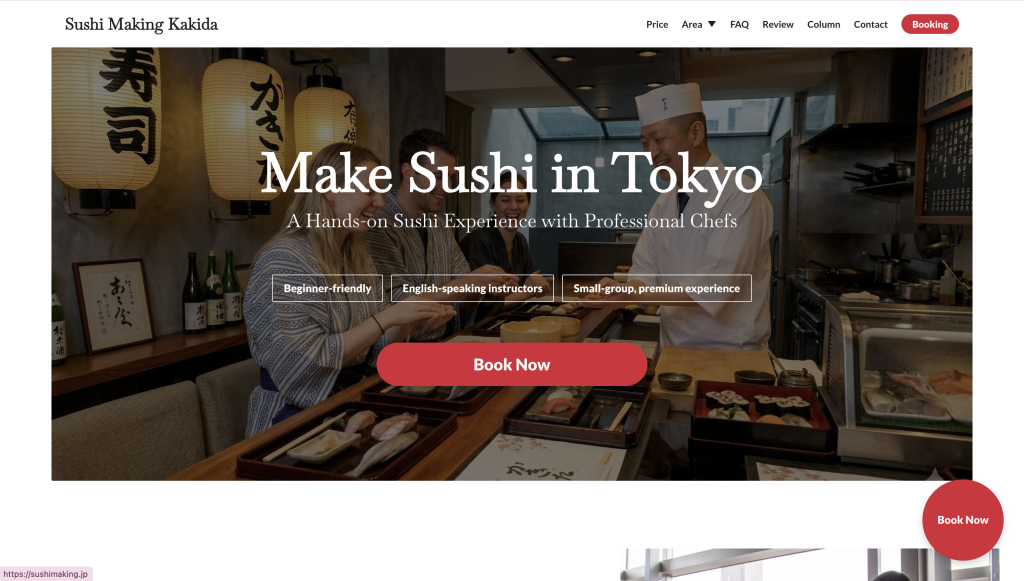
For travelers who want to do more than simply eat sushi, Sushi Making Kakida offers an authentic, hands-on experience guided by professional Japanese sushi chefs.
Rather than joining a large, demonstration-style cooking class, guests learn in a small, private-style group of up to four people. A professional sushi chef and English-speaking interpreter guide you through each step, making the experience easy to follow even if you have never cooked or made sushi before.
During the class, you will learn how to shape traditional nigiri and make approximately 10 pieces of sushi using fresh, high-quality ingredients. Depending on seasonal availability, the selection may include premium toppings such as otoro fatty tuna, chutoro medium-fatty tuna, akami lean tuna, sea urchin, scallop, sea bream, salmon and other Japanese seafood.
The experience is not only educational but also highly interactive. You can watch a professional chef demonstrate authentic techniques, practise making nigiri yourself, eat the sushi you have created and take memorable photos at the sushi counter while wearing a traditional Japanese kappogi apron.
Sushi Making Kakida has already welcomed international visitors from around the world. With clear English support, personal attention and a relaxed atmosphere, it is an excellent choice for couples, families, solo travelers and small groups looking for a memorable Japanese cultural experience.
More Than a Sushi Class: Experience the World of Japanese Tuna
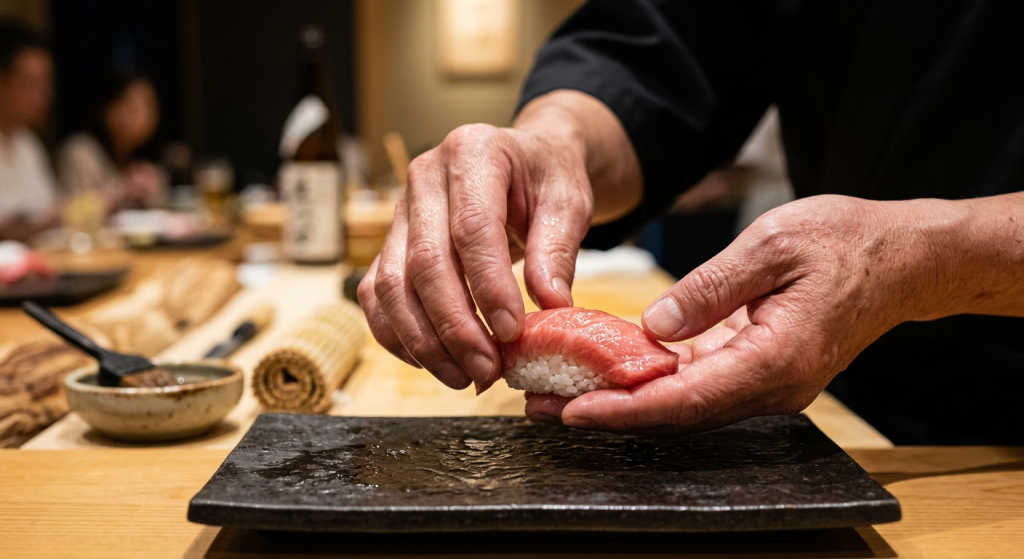
What makes Sushi Making Kakida particularly special is the expertise of the restaurant group behind it.
The Kakida team also operates spectacular maguro tuna-cutting shows, where professional sushi chefs break down whole bluefin tuna weighing more than 100 kilograms in front of an audience. These live events have been held for corporate parties, international exchange events, weddings and large-scale gatherings with hundreds of guests.
Unlike a typical cooking workshop, Sushi Making Kakida is backed by working sushi professionals who regularly source, prepare and serve premium tuna and seafood. Their knowledge extends far beyond showing guests how to shape rice—the team understands how fish is selected, cut and transformed into high-quality sushi.
The tuna-cutting show is a separate event service and is not included in the standard sushi-making class. However, it demonstrates the level of craftsmanship, seafood knowledge and entertainment experience behind the Kakida name.
For visitors searching for a sushi making class in Tokyo or Shinjuku, Sushi Making Kakida offers more than a fun activity. It is an opportunity to step behind the sushi counter, learn directly from professionals and experience one of Japan’s most iconic culinary traditions for yourself.
Make sushi, meet real Japanese chefs and create a Tokyo memory you can actually taste.
Frequently Asked Questions
Are there sushi-making classes in Toyosu Market?
Not exactly. The only “Toyosu” experiences combine a Toyosu market tour with sushi lessons held elsewhere (usually a nearby kitchen or restaurant). You won’t find a standalone public class inside Toyosu’s premises because its wholesale floors aren’t open for casual classes.
How much does it cost?
Expect a wide range. Private Toyosu market tours with a chef often cost ¥60,000–80,000 per person (since they include guides and exclusive market access). Group tours of Toyosu/Tsukiji run around ¥45,000 per person. Studio classes in Tsukiji or downtown Tokyo are cheaper (¥9,000–15,000, about $60–100). Prices vary by date and booking site, so check the latest online.
How long does the experience take?
Toyosu-inclusive tours are half-day (typically 4–6 hours). For example, the Toyosu + Azabu tour starts around 7:00 AM and ends by late morning. Cooking-only workshops last 2–3 hours. Always factor in travel time: most Toyosu tours start at 8:30 AM at Toyosu Station, so plan accordingly.
Is it suitable for beginners?
Yes – all listed classes are beginner-friendly. Instructors guide you step-by-step. For example, GoWithGuide’s private tour explicitly says beginners will handle even tough tasks like fish filleting under guidance. You don’t need prior experience, but a genuine interest in sushi is expected.
Can solo travelers join?
Most tours allow solo bookings. Group classes readily accept individuals. Private tours don’t require a minimum group, but booking solo means paying for at least one person. If the price seems high, consider joining the group Tsukiji class where you only pay your spot rate (no group discount needed).
Are sushi workshops taught in English?
Yes. All featured experiences advertise English-speaking guides or hosts. You’ll receive instructions and cultural context in English. (However, always double-check language support for your chosen date.)
Will I eat the sushi I make?
Absolutely. In fact, tasting your creations is part of the fun. Tours include a meal or tasting of your own sushi. For example, the Toyosu+Azabu tour notes “It comes with tuna and sushi made by ourselves”. Solo studio classes also treat your sushi as lunch.
What if I have dietary restrictions?
Mention any allergies or diets when booking. Most providers can swap ingredients (e.g. fish for veggies) if informed in advance. For instance, some classes explicitly offer vegetarian or allergy-friendly options on request (though be aware that key experiences like tuna cutting cannot be fully vegetarian). Always confirm with the operator before attending.
How do I book?
Book through the official channels or trusted platforms. For private tours (Wabunka, Wanotabi, GoWithGuide), use their websites or email. For group tours, use Viator, GetYourGuide, etc., for instant confirmation. Compare prices – sometimes the same tour appears on multiple sites with different rates. But avoid third-party “unofficial” ads.
Conclusion
While Toyosu Market doesn’t host a simple walk-in sushi class, these curated experiences bring you there safely and pair it with a real sushi workshop. Depending on your schedule, pick a half-day market tour with a chef (for a deeper fish-market immersion) or a shorter sushi-only class nearby. Pay attention to group size, kids’ policies, and cancellation rules when booking. With any choice, you’ll end up learning sushi techniques from pro chefs and enjoying fish as fresh as Tokyo offers – all in English.
Once you’ve decided, check the provider’s site for the latest availability and details. Compare formats (private vs shared, market tour vs class-only), confirm start time and meeting point (usually Toyosu or Tsukiji station), and make sure they fit your travel dates. Then reserve your spot through the official booking link or an authorized platform. Before booking, verify any special notes (age limits, what to bring). With those in hand, you’ll be ready to roll sushi in Tokyo – and perhaps say “oke” (finished) on a plate of your own making. Enjoy your sushi experience!