Sushi Making Classes in Ebisu (Tokyo) and Nearby
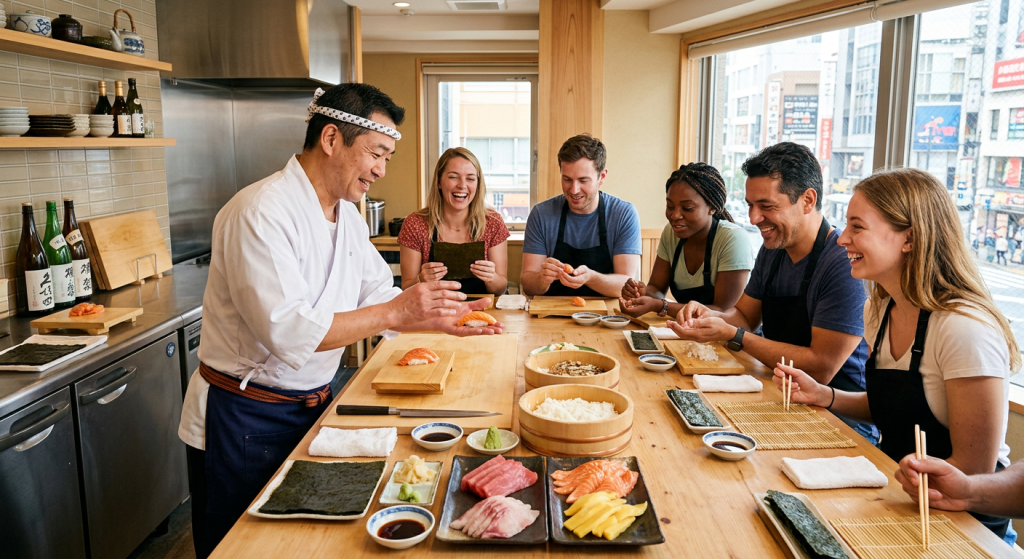
Tokyo’s Ebisu district offers a few hands-on sushi-making experiences, and several more are just a short train ride away. In Ebisu itself, you can join a class at Tsunaya – a working sushi bar run by a licensed Toyosu tuna broker – or a small home-style workshop by a local instructor. A nearby private studio (Samurai Sushi Tokyo in Nishiazabu) provides a guided Edomae-style sushi course led by a former Michelin-star chef. Whether you stay in Ebisu or its surrounds, you’ll find options for small groups, beginner-friendly classes, and even sake-pairing upgrades.
| Experience | Location | Best for | What You Make | Duration | Price | Language | Private/Shared | Special Feature |
|---|---|---|---|---|---|---|---|---|
| Tsunaya Sushi Bar Class | Ebisu (Shibuya) | Foodies & first-timers | 7 nigiri (various fish + 1 maki) | ~1.5 h | From ~¥6,000 (per person) | English | Small group | Working sushi bar; optional sake tasting |
| Samurai Sushi Tokyo Workshop | Nishiazabu (Hiroo, Minato) | Couples, private groups | Nigiri, maki, gunkan (Edomae style) | 2 h | From ¥12,000 | English | Private group | Michelin-star chef; sake set option |
| Home Temaki Sushi Class (Kaoru) | Ebisu | Families & casual learners | Hand-rolled sushi (temaki) | 2 h | ¥7,000 | English | Shared (max 4) | Homestay-style; focus on rolling sushi |
Sushi Class at Tsunaya – Sushi Bar in Ebisu
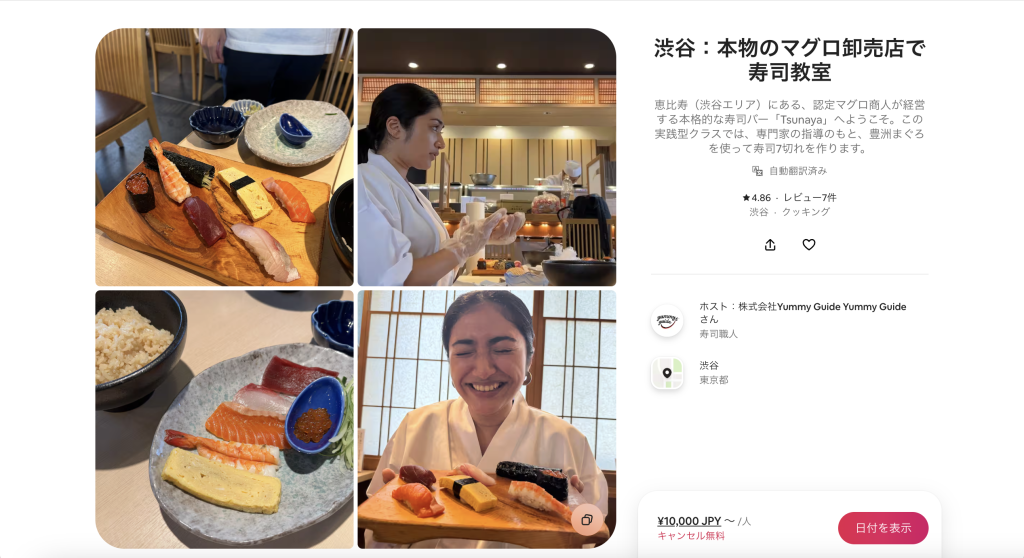
https://www.airbnb.jp/experiences/6440484
Located just a 5-minute walk from Ebisu Station, Tsunaya is an actual sushi restaurant operated by a Tokyo tuna wholesaler. Here you join a working sushi bar environment and learn nigiri-making alongside real chefs. The class is small and hands-on, with step-by-step guidance. You start with a brief introduction to Toyosu Market and tuna brokerage, then use premium-grade fish (freshly selected that morning) and seasoned sushi rice to craft seven pieces of sushi. These include ikura (salmon roe), ebi (shrimp), tamagoyaki (Japanese omelette), kanpyo maki (vegetarian gourd roll), maguro (tuna), hamachi (yellowtail), and salmon. The rice is prepared exactly as in the restaurant, so the flavor is authentic.
After making your sushi, you eat what you made. A hot tea or water is provided, and there’s an optional sake-pairing upgrade featuring four premium sakes selected to complement your sushi. Because this is held in a professional sushi bar, classes typically have a limited number of spots (check availability ahead). The experience requires no prior skills, and is suitable for beginners or food-obsessed travelers alike. (Note: this class is usually shared with other guests; it’s not a private party).
Samurai Sushi Tokyo Workshop – Private Class near Hiroo
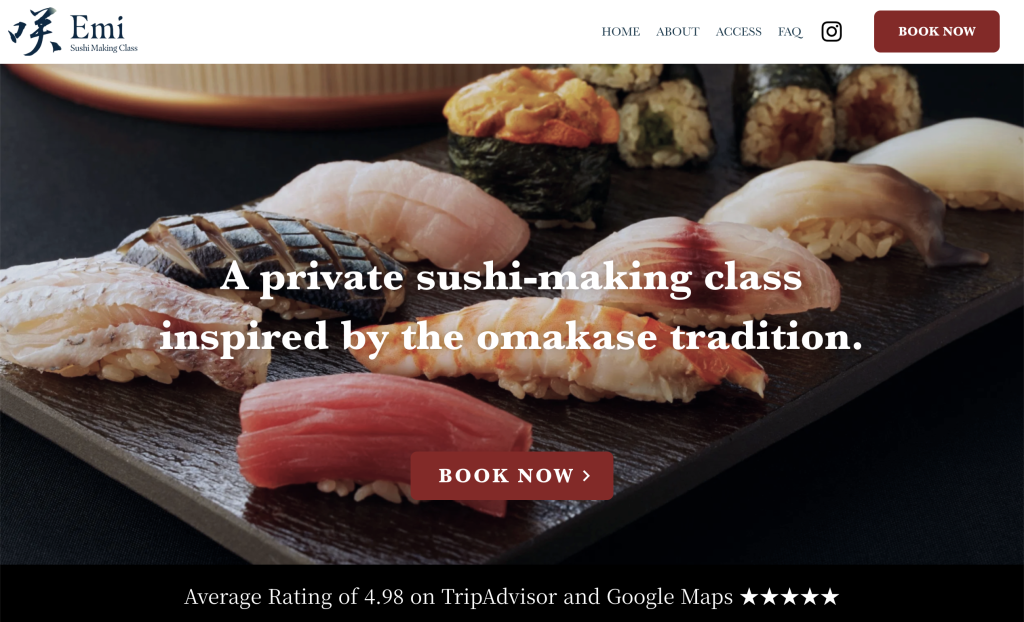
https://emi-sushimakingclass.com/home
A short ride from Ebisu (the Hiroo station on the Hibiya Line is just one stop away), Samurai Sushi Tokyo offers private group workshops in a cozy studio. Here a real sushi master (a former Michelin-starred chef) teaches Edomae-style sushi. The class runs about 2 hours, and is capped at about 10 participants, so you can book it for yourself and companions for a personalized experience. English-speaking staff and a translator ensure all instructions are clear.
You learn traditional sushi techniques: preparing vinegared rice, slicing fish, and shaping nigiri and maki. Typically you make and taste three kinds of sushi (nigiri, a roll, and a gunkan) as part of the course. Samurai Sushi Tokyo offers several course options on its official site: the basic sushi-making course (about ¥12,000 per person), or the sushi-and-sake set (about ¥15,000, which includes a tasting of premium sakes). A premium class (¥30,000) adds more varieties of sushi. The ingredients (fish, rice, nori, etc.) are all included.
This workshop emphasizes technique and ingredient quality (chef marinating and aging fish for optimal flavor). It’s well-suited for travelers looking for a thorough, cultural cooking lesson. The studio is clean and quiet, a bit more formal than a home kitchen. You’ll find Samurai Sushi Tokyo just a 5-minute walk from Hiroo Station (Hibiya Line), or about 15 minutes by train from Ebisu. Children 6 and up can participate, so it’s family-friendly if you book the private class.
Home Temaki Sushi Workshop in Ebisu (Kaoru’s Class)
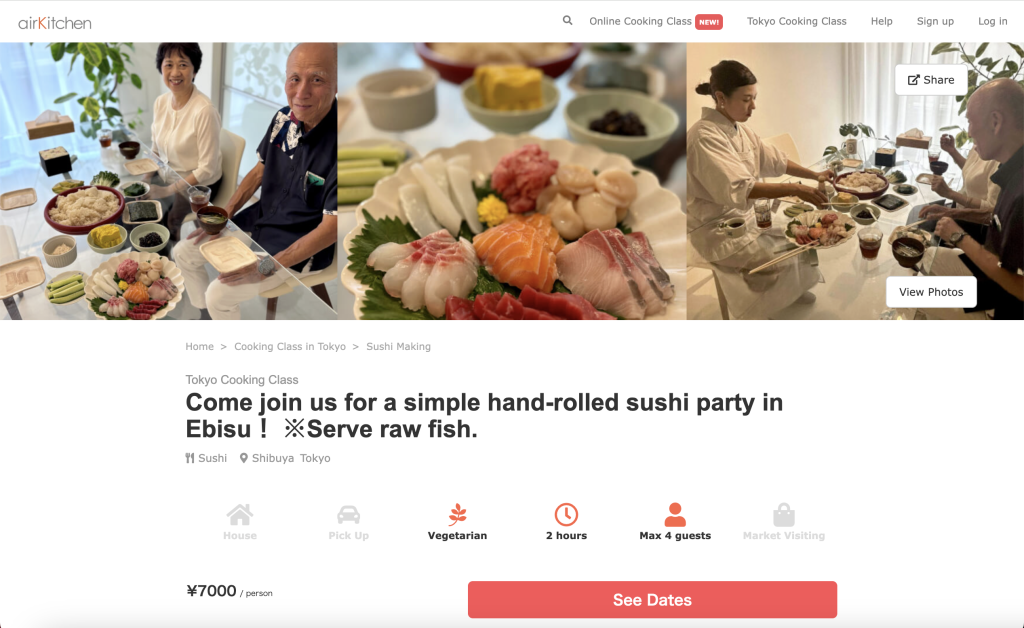
https://airkitchen.me/kitchen/12651.php
For a more casual, homestay-style experience, a local host in Ebisu named Kaoru offers a hands-on temaki (hand-rolled) sushi class in her kitchen. This class focuses on rolled sushi rather than nigiri. Over 2 hours, the host provides sushi rice and a variety of fillings (mainly fresh raw fish and vegetables) that you assemble yourself into rolls of nori. There is virtually no cooking involved – you learn by actually rolling and eating the sushi you create.
Kaoru’s class is very beginner-friendly and intimate: it’s limited to a maximum of 4 people, making it suitable for couples, friends, or families. Children who enjoy hands-on activities can join (confirm with host). The meeting location is in an apartment near Ebisu Station (about 10 minutes on foot). The fee is ¥7,000 per person (fixed rate, no hidden charges), and cancellations up to 48 hours in advance are refundable. (All participants should wear clean socks, as you enter the home kitchen).
Because this class emphasizes temaki, you won’t make nigiri. If you prefer traditional sushi shapes, the above options may be better. Also note the ingredients are mostly raw fish; the class listing says “yes” to vegetarian option, but the standard menu is fish-based. If someone in your group cannot eat raw seafood (or is strictly vegetarian), check with the host in advance. Overall, this workshop is a fun, low-key way to learn sushi basics in Ebisu itself.
How to Choose the Right Sushi Experience
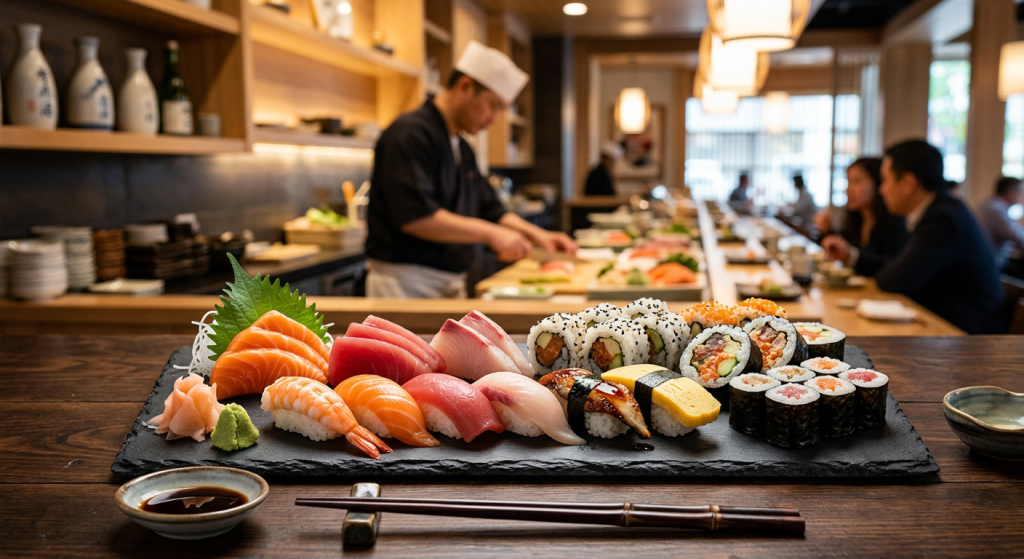
- Location & Travel: Tsunaya’s class and Kaoru’s workshop are in Ebisu, so they’re most convenient if your hotel or itinerary is nearby. Samurai Sushi Tokyo is in nearby Azabu (Hiroo) – about a 10–15 minute train ride from Ebisu. If you have limited time, factor in this short commute.
- Class Style: Tsunaya offers an authentic working sushi bar atmosphere, great for seeing how professionals work. Samurai Sushi is a private studio, ideal if you want an exclusive session just for your group. Kaoru’s class is a shared home kitchen workshop (you’ll meet any other booked guests, up to 4).
- Hands-on Focus: All classes are hands-on. Tsunaya and Samurai include nigiri (pressing rice + topping) and maki; Tsunaya’s menu even includes one vegetarian roll (kanpyo). Samurai covers Nigiri, Maki, and Gunkan styles. Kaoru’s class is purely temaki (you make cone-shaped and hand rolls). If you want to learn multiple sushi techniques, Tsunaya or Samurai are more comprehensive.
- Group Size & Privacy: Samurai Sushi Tokyo is run only as a private lesson (you won’t share with strangers). Tsunaya is a small shared class (usually 4–6 people). Kaoru’s workshop is also shared with a small group (max 4). If you prefer a private experience or are traveling in a group, Samurai is the best bet.
- English Support: All these classes cater to English speakers. Tsunaya’s class description highlights English instruction at the sushi shop. Samurai’s studio explicitly provides an English-speaking guide. Kaoru’s listing is in English; her instruction is in Japanese but you communicate as needed (the hosting platform suggests English is used).
- Food Restrictions: If anyone in your group is vegetarian, note that Tsunaya includes one vegetarian sushi roll (kanpyo), and Kaoru’s listing indicates a vegetarian option is possible (but still confirm). Samurai’s class is primarily fish-focused (though it does include tamago, egg sushi). Halal options are not specifically offered at these classes. Always inform the provider in advance about any dietary needs.
- Extras: Sushi sauce, tea, and basic supplies are provided at all classes. Samurai and Tsunaya also offer sake pairings (Samurai’s ¥15,000 plan includes sake; Tsunaya has an optional sake tasting). If you want to sample Japanese sake with your sushi, choose those options.
- Duration & Timing: Most classes last about 1.5–2 hours. Tsunaya’s session is around 90 minutes. Samurai’s classes run roughly 2 hours. Kaoru’s is 2 hours. Think about when in your day you have time: morning classes fill up, and some activities require advance booking (especially Samurais and Tsunaya).
In summary, first-time visitors or families might enjoy Kaoru’s casual temaki class in Ebisu or the Tsunaya sushi bar workshop. Couples or groups who want a premium sushi lesson could opt for Samurai Sushi Tokyo (just outside Ebisu). Solo travelers can join any of these, but check minimum group sizes (Samurai has no minimum; Kaoru and Tsunaya usually run only if enough people sign up).
What to Expect in a Sushi-Making Class
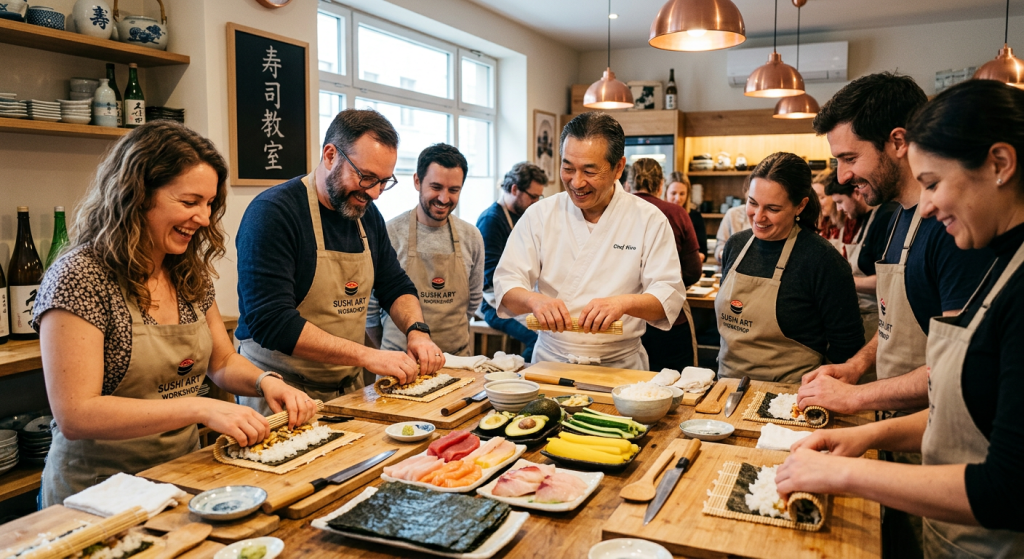
In any of these experiences, expect a mix of demonstration and hands-on practice. Classes typically begin with a brief explanation – for example, Tsunaya’s class starts by teaching about Toyosu Market and tuna brokers. An instructor will demonstrate sushi rice preparation and fish cutting techniques. Then you’ll don gloves (or wash hands) and get to work.
You will eat the sushi you make. Each class provides ingredients: rice, nori seaweed, fish, fillings, and condiments. For instance, at Tsunaya you prepare all parts of each sushi and then enjoy seven pieces of your creations during the session. Samurai Sushi Tokyo similarly lets you make and taste multiple sushi types. Kaoru’s class has you roll up rice and fish into hand-rolls and eat them as you go.
Expect a relaxed pace (these are not professional training courses). You’ll learn useful techniques like spreading rice, forming nigiri, and rolling sushi correctly. The staff stays close to guide you – Tsunaya emphasizes that even beginners receive careful support.
Classes usually include all necessary supplies and often a complimentary drink (green tea or water). If sake is included, the instructor will explain how each sake pairs with the fish (some workshops offer that as an extra experience). At the end, you leave with tasty sushi in your belly and a better understanding of Japanese cuisine.
Price, Duration, and Booking
- Pricing: Expect to pay on the order of ¥6,000–15,000 per person. Kaoru’s temaki class is ¥7,000. Samurai Sushi’s base class is ¥12,000, while the sushi+ sake upgrade is ¥15,000. Tsunaya’s sushi-bar class (booked through travel sites) runs roughly in the same range (around ¥6,000–¥8,000, as seen on booking platforms). Prices can fluctuate with season or platform fees. Always check the current rate on the official booking site before reserving.
- Duration & Schedule: All classes are around 1.5–2 hours. Samurai Sushi Tokyo offers multiple start times (e.g. 12:00, 14:30, 17:00) with 2-hour sessions. Tsunaya’s experience is typically 90 minutes. Kaoru’s class lasts 2 hours. Book in advance, especially on weekends or travel seasons, as popular classes can fill up. Some are offered via third-party sites (Klook, Viator, AirKitchen, GetYourGuide, etc.) so compare schedules and policies on those platforms.
- Language & Instruction: All listed classes provide instruction in English. The Samurai Sushi Tokyo workshop explicitly has English-speaking guides. Tsunaya’s class, aimed at tourists, is conducted in English. Kaoru’s class is offered through an English-language platform. If you have any language concerns, confirm English support when booking.
- Booking & Cancellation: Reserve through the official or trusted travel platform (Klook, Viator, AirKitchen, etc.). Each platform has its own cancellation policy. For example, Kaoru’s AirKitchen class allows a full refund if canceled 48+ hours before the class. Samurai Sushi Tokyo (via KKday or Cookly) typically allows free cancellation up to about a week in advance, with partial refunds closer to the date. Check the fine print on the booking page.
Dietary Requirements, Kids, and Solo Travel
- Dietary Needs: Most sushi classes use raw fish and seafood. Tsunaya’s menu includes one fully vegetarian roll (kanpyo maki). Samurai’s class includes an egg (tamago) sushi but is otherwise fish-centric. Kaoru’s host states a vegetarian option is available, yet the standard ingredients are mostly fish. If anyone has food allergies or a vegetarian/vegan diet, notify the provider in advance. For example, you might request no raw fish or alternative fillings (many instructors can substitute cooked or veggie options upon request). Halal-specific options are generally not offered at these classes; if you need halal ingredients, contact the class host to ask if they can accommodate.
- Children: These classes can be family-friendly. Samurai Sushi Tokyo officially accepts children ages 6 and up. Kaoru’s home-style class is suitable for kids who can handle sushi rolling (usually school-age children). Tsunaya’s class appears aimed at adults (some bookings require participants 18+), so it may not be ideal for young children. If traveling with kids, Samurai or Kaoru’s class is safer.
- Solo Travelers: You can join these classes on your own. Samurai Sushi Tokyo welcomes single bookings (minimum 1 participant), running the class with a small group or just your party. Tsunaya’s sushi-bar class is also booked per person – you’ll be added to a mixed group. Kaoru’s class (AirKitchen) typically requires at least two people (it may combine solo bookings into a group of up to 4). Always check if there’s a minimum group size when booking solo. In practice, individual travelers regularly book these tourist-friendly experiences.
Nearby Areas to Consider
Ebisu itself has a limited number of sushi workshops, so expanding your search to nearby Tokyo districts is worthwhile if you need more options. For example, Shibuya and Roppongi (very close by) and central Tokyo areas like Ginza or Tsukiji also have sushi classes. Many providers in Tokyo Station or Shinjuku also run similar hands-on experiences. If you have transportation, a short train ride from Ebisu gives you plenty more choices. Just remember to compare location and travel time – the classes listed above are among the most convenient for someone staying around Ebisu.
Sushi Making Kakida: A Premium, Hands-On Sushi Experience in Tokyo
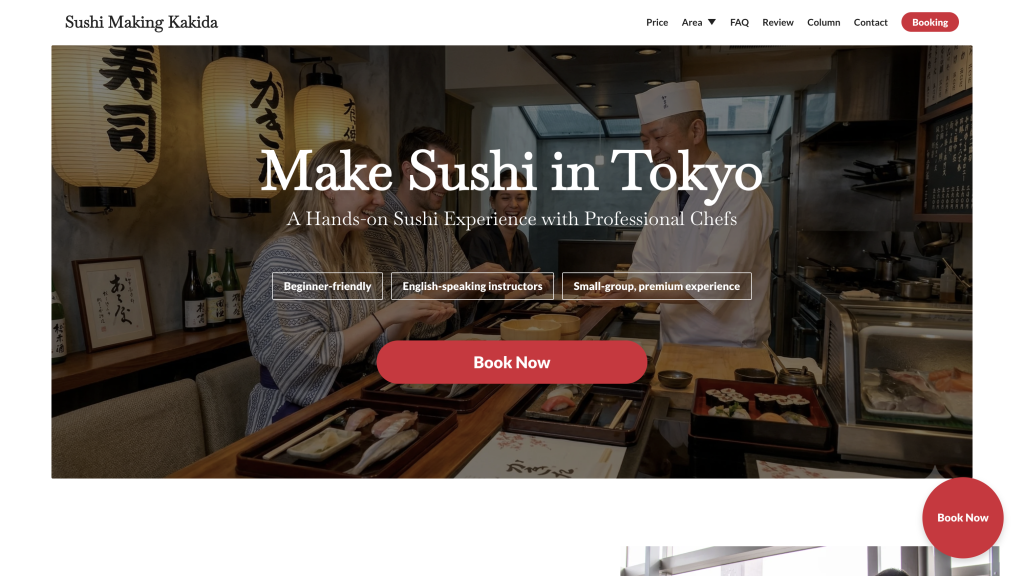
For travelers who want to do more than simply eat sushi, Sushi Making Kakida offers an authentic, hands-on experience guided by professional Japanese sushi chefs.
Rather than joining a large, demonstration-style cooking class, guests learn in a small, private-style group of up to four people. A professional sushi chef and English-speaking interpreter guide you through each step, making the experience easy to follow even if you have never cooked or made sushi before.
During the class, you will learn how to shape traditional nigiri and make approximately 10 pieces of sushi using fresh, high-quality ingredients. Depending on seasonal availability, the selection may include premium toppings such as otoro fatty tuna, chutoro medium-fatty tuna, akami lean tuna, sea urchin, scallop, sea bream, salmon and other Japanese seafood.
The experience is not only educational but also highly interactive. You can watch a professional chef demonstrate authentic techniques, practise making nigiri yourself, eat the sushi you have created and take memorable photos at the sushi counter while wearing a traditional Japanese kappogi apron.
Sushi Making Kakida has already welcomed international visitors from around the world. With clear English support, personal attention and a relaxed atmosphere, it is an excellent choice for couples, families, solo travelers and small groups looking for a memorable Japanese cultural experience.
More Than a Sushi Class: Experience the World of Japanese Tuna
What makes Sushi Making Kakida particularly special is the expertise of the restaurant group behind it.
The Kakida team also operates spectacular maguro tuna-cutting shows, where professional sushi chefs break down whole bluefin tuna weighing more than 100 kilograms in front of an audience. These live events have been held for corporate parties, international exchange events, weddings and large-scale gatherings with hundreds of guests.
Unlike a typical cooking workshop, Sushi Making Kakida is backed by working sushi professionals who regularly source, prepare and serve premium tuna and seafood. Their knowledge extends far beyond showing guests how to shape rice—the team understands how fish is selected, cut and transformed into high-quality sushi.
The tuna-cutting show is a separate event service and is not included in the standard sushi-making class. However, it demonstrates the level of craftsmanship, seafood knowledge and entertainment experience behind the Kakida name.
For visitors searching for a sushi making class in Tokyo or Shinjuku, Sushi Making Kakida offers more than a fun activity. It is an opportunity to step behind the sushi counter, learn directly from professionals and experience one of Japan’s most iconic culinary traditions for yourself.
Make sushi, meet real Japanese chefs and create a Tokyo memory you can actually taste.
Frequently Asked Questions
- Are there sushi-making classes in Ebisu? Yes. You can take a class at Tsunaya (a sushi bar in Ebisu) or Kaoru’s home kitchen (in Ebisu). Other nearby classes (like Samurai Sushi Tokyo in Azabu/Hiroo) are just a short train ride from Ebisu.
- What’s the cost of a sushi class in Tokyo? Typical prices range from about ¥7,000 to ¥12,000 per person, depending on length and extras. For instance, Kaoru’s class is ¥7,000. The Samurai Sushi Tokyo class is ¥12,000 (sushi only) or ¥15,000 with sake. GetYourGuide and other booking sites often list the total price (in USD or JPY) and any deals.
- How long does a sushi-making experience take? Usually 1.5 to 2 hours. Tsunaya’s sushi workshop is roughly 90 minutes. Samurai Sushi Tokyo’s class is about 2 hours. Kaoru’s workshop is a 2-hour session.
- Can beginners join a sushi class? Absolutely. All these classes are designed for first-timers. Instructors will guide you every step of the way. No prior cooking or sushi experience is needed.
- Can children join? Yes, with conditions. Samurai Sushi Tokyo allows kids age 6 and up. Kaoru’s workshop is suitable for school-age children (under 6 might struggle with rolling). Tsunaya’s class seems intended for adults only (typically ages 18+), so it’s not recommended for young kids. Always check if child pricing or caps apply.
- Is it okay to book solo? Yes. Samurai Sushi Tokyo accepts solo travelers (their site shows a minimum of 1 person). Tsunaya’s class is open to individuals (they’ll group solo participants together). Kaoru’s class usually needs at least two people to run (check AirKitchen booking). In short, solo travelers can join, but make sure the class isn’t fully booked.
- Are classes taught in English? Yes. The classes listed here provide full English instruction. Instructors explain the steps in English, and all signage/materials in the class are suitable for English speakers.
- Do you eat the sushi you make? Yes! You will eat your own creations. For example, the Tsunaya class explicitly has you taste all seven pieces you make. Samurai Sushi Tokyo and Kaoru’s class similarly allow you to enjoy the sushi immediately after shaping it. It’s part of the fun to try your handiwork (or have the instructor eat any piece you prefer not to).
- Are vegetarian options available? These classes typically use fish. Tsunaya’s menu includes one vegetarian roll (kanpyo maki). Kaoru’s class listing says a vegetarian option is offered, though the default ingredients include raw fish. Samurai’s course is mainly seafood and egg. If someone in your party is vegetarian or has dietary restrictions, contact the provider before booking to confirm adjustments (e.g. using only vegetables and egg).
- Do sushi classes accommodate food allergies? Reputable providers will try to accommodate allergies, but policies vary. You should inform the host about any allergies at the time of booking. Some classes may not be able to adjust for shellfish or cross-contamination. It’s safest to check their official page or email them directly.
- Should I book in advance? Yes. Sushi-making classes in Tokyo are popular, and English-language slots can fill up, especially on weekends. It’s best to reserve at least several days ahead of your visit. Compare prices and availability on platforms like Klook, Viator, GetYourGuide, or direct booking sites, and lock in your preferred date early.
- What should I wear? Casual, comfortable clothes are fine. You’ll be standing or sitting by a counter. You may get your hands a little damp from washing or handling rice, so long sleeves aren’t recommended, and you might avoid very fancy clothes. No special attire is required. (For hygienic reasons, you will wash your hands thoroughly before the class.)
Conclusion
In summary, travelers staying in or near Ebisu have good options for a sushi-making class. Tsunaya offers an authentic sushi bar experience right in Ebisu. Kaoru’s home workshop provides a relaxed, hands-on temaki sushi lesson in Ebisu. For a more upscale or private setting, the Samurai Sushi Tokyo studio (a short train ride away) delivers expert instruction by a sushi master. Consider your travel schedule, group size, and interests: is convenience (Ebisu location) most important, or a Michelin-trained chef? Do you want a formal class or a cozy home environment? Review each class’s details (duration, price, language) and book through the official site or authorized platform. Then get ready to roll (or press) your own sushi under expert guidance – and savor every bite of your creation!