Sushi Making Classes Near Ueno: Hands-On Sushi Experiences in Tokyo
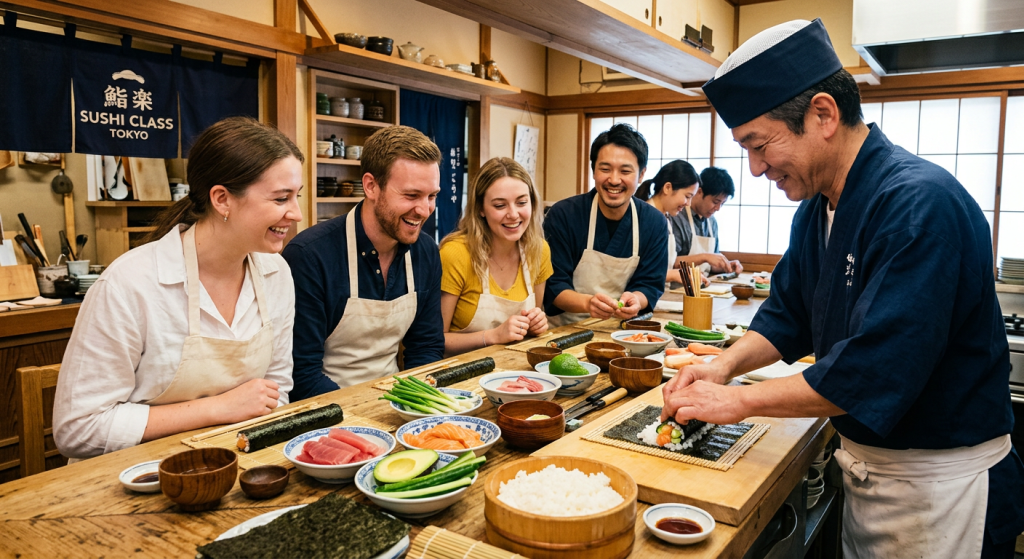
Ueno itself has few dedicated sushi‐making workshops, but travelers staying in Ueno have several practical options within easy reach. The nearest classes are in Asakusa, Kita‐Senju, Ginza, or Tsukiji – all accessible by train from Ueno. Below we compare real sushi‐making experiences that English‐speaking visitors can book. Each includes hands-on instruction (with ingredients and tools provided) and lets you eat the sushi you make.
| Experience | Area | Nearest Station | What You Make | Duration | Price | Language | Class Type |
|---|---|---|---|---|---|---|---|
| Sushi Making Tokyo (Food Activity Japan) | Asakusa (Taito) | Asakusa Station (Ginza/Lite) | Nigiri sushi and maki rolls | 1.5 hr | From ¥13,000 | English | Shared (large) |
| Kid-Friendly Sushi Class (Tokyo Sushi-Tour) | Kita-Senju (Adachi) | Kita-Senju Station (JR Joban Line) | Nigiri sushi and rolls | 2.5 hr | ≈ ¥10,000 (about $70) | English | Shared (≤8) |
| Sushi Academy Ginza (Tokyo Sushi Academy) | Ginza (Chuo) | Ginza Station (Marunouchi Line) | Nigiri sushi (10 pcs) | 90–100 min | ¥13,200 | English | Shared (counter, ≤6) |
| Tsukiji Sushi Class (Pro Chef) | Tsukiji (Chuo) | Tsukiji Station (Hibiya Line) | Nigiri sushi (5–6 pcs) | ~90 min | ~¥10,000 (discounted) | English (MC) + Japanese | Shared (small) |
Each listing below describes the experience, location, content, and practical details. All classes are suitable for beginners, and English instruction is confirmed. Always check the latest availability, meeting point, and cancellation terms on the provider’s booking page before reserving.
Sushi Making Kakida: A Premium, Hands-On Sushi Experience in Tokyo
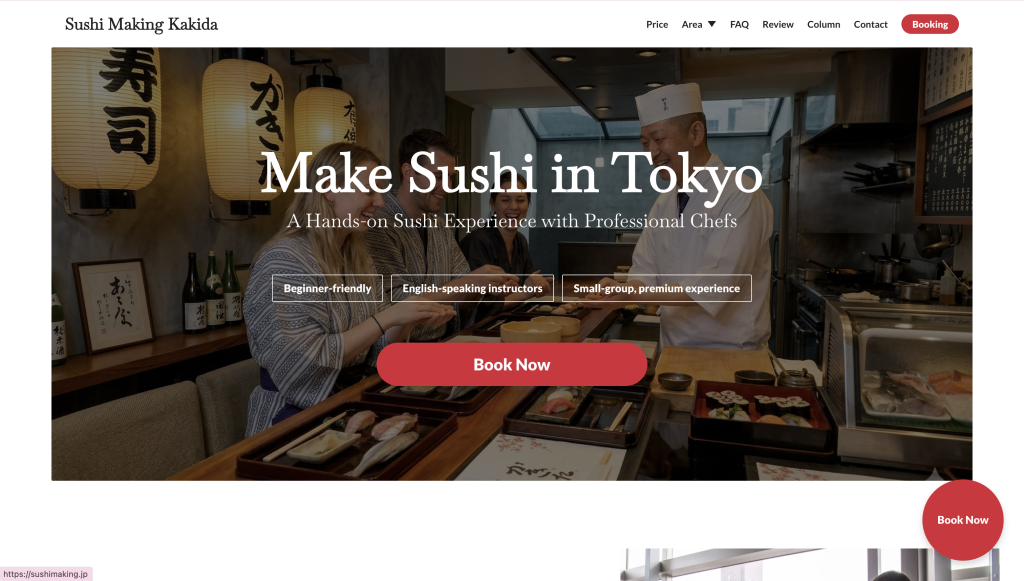
For travelers who want to do more than simply eat sushi, Sushi Making Kakida offers an authentic, hands-on experience guided by professional Japanese sushi chefs.
Rather than joining a large, demonstration-style cooking class, guests learn in a small, private-style group of up to four people. A professional sushi chef and English-speaking interpreter guide you through each step, making the experience easy to follow even if you have never cooked or made sushi before.
During the class, you will learn how to shape traditional nigiri and make approximately 10 pieces of sushi using fresh, high-quality ingredients. Depending on seasonal availability, the selection may include premium toppings such as otoro fatty tuna, chutoro medium-fatty tuna, akami lean tuna, sea urchin, scallop, sea bream, salmon and other Japanese seafood.
The experience is not only educational but also highly interactive. You can watch a professional chef demonstrate authentic techniques, practise making nigiri yourself, eat the sushi you have created and take memorable photos at the sushi counter while wearing a traditional Japanese kappogi apron.
Sushi Making Kakida has already welcomed international visitors from around the world. With clear English support, personal attention and a relaxed atmosphere, it is an excellent choice for couples, families, solo travelers and small groups looking for a memorable Japanese cultural experience.
More Than a Sushi Class: Experience the World of Japanese Tuna
What makes Sushi Making Kakida particularly special is the expertise of the restaurant group behind it.
The Kakida team also operates spectacular maguro tuna-cutting shows, where professional sushi chefs break down whole bluefin tuna weighing more than 100 kilograms in front of an audience. These live events have been held for corporate parties, international exchange events, weddings and large-scale gatherings with hundreds of guests.
Unlike a typical cooking workshop, Sushi Making Kakida is backed by working sushi professionals who regularly source, prepare and serve premium tuna and seafood. Their knowledge extends far beyond showing guests how to shape rice—the team understands how fish is selected, cut and transformed into high-quality sushi.
The tuna-cutting show is a separate event service and is not included in the standard sushi-making class. However, it demonstrates the level of craftsmanship, seafood knowledge and entertainment experience behind the Kakida name.
For visitors searching for a sushi making class in Tokyo or Shinjuku, Sushi Making Kakida offers more than a fun activity. It is an opportunity to step behind the sushi counter, learn directly from professionals and experience one of Japan’s most iconic culinary traditions for yourself.
Make sushi, meet real Japanese chefs and create a Tokyo memory you can actually taste.
Sushi Making Tokyo (Asakusa)
https://sushimakingjapan.com/tokyo
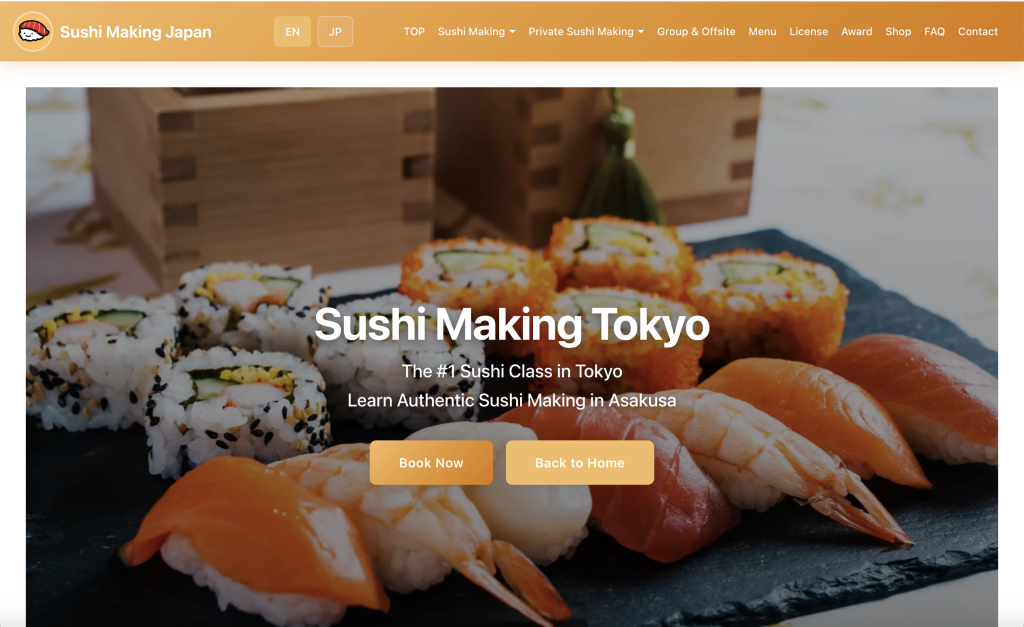
This popular Asakusa sushi class (by Food Activity Japan) is just a 3-minute walk from Asakusa Station and Senso-ji Temple. The instructor speaks English and guides you through making hand-pressed nigiri sushi and rolled maki. You prepare sushi rice, practice topping nigiri, and roll maki with fresh ingredients. The class lasts about 1.5 hours and includes all ingredients, tools, and even recipe notes. You get to eat the sushi you make at the end. Classes are shared with other guests (in a large group setting, up to 90 people on some dates), but the venue is designed for foreigners and first-timers.
- Duration: ~1.5 hours
- Price: ¥13,000 per person (includes tools, ingredients, recipe).
- Menu: Make and eat nigiri and maki sushi. Vegetarian, vegan, and halal options are available with advance notice.
- Location: Asakusa – 2-17-9 Kaminarimon, Taito (near Senso-ji temple). Accessible via Asakusa Station (Ginza or Asakusa Lines). From Ueno: take the Ginza subway line one stop south to Asakusa (~3 minutes).
- Good for: First-time sushi-makers, solo travelers, families (children 4+ can join), and those who want a cultural activity near Asakusa or Tokyo Skytree.
- Things to know: Arrive a few minutes early. English instruction is assured. Free cancellation is available up to 24 hours before class.
Kid-Friendly Sushi Making Class (Kita-Senju)

https://en.tokyo-sushi-making-tour.com/small
The Tokyo Sushi-Making Tour company runs a friendly, kid-friendly sushi workshop in Kita-Senju (northeast Tokyo). Participants meet at Kita-Senju Station East Exit (10:30 AM) and walk to the venue. A professional chef leads this 2.5-hour class, focusing on basics of nigiri and roll sushi. All ingredients and tools are provided, and you get a photo of the experience. The group size is kept small (up to 8 people), which is ideal for personal attention.
- Duration: 2.5 hours (including a short walking tour or icebreaker).
- Price: Around ¥10,000 per adult (Viator shows ~A$94, ~¥9,800) with child discounts. Exact yen price depends on date.
- Menu: Learn nigiri techniques and roll sushi, then enjoy eating your creations. Gluten-free soy sauce is available. Sake or drinks are optional.
- Location: Kita-Senju (Adachi-ku) – meet at Kita-Senju Station (Joban/Tsukuba/Hibiya/Chiyoda lines). From Ueno, take the JR Joban Line north (1 stop to Minami-Senju, 2 stops to Kitasenju; ~7–10 minutes).
- Good for: Families with children (8+, as adults manage knives). Also suitable for solo travelers or small groups seeking a relaxed setting. The class explicitly welcomes kids and is paced for families.
- Things to know: Free cancellation up to 24 hours ahead. Inform the hosts of any allergies or dietary needs in advance. The English-speaking staff are experienced with beginners and children. The meeting address is 3-5 Senjuasahicho, Adachi.
Sushi Academy Ginza (Tokyo Sushi Academy, Ginza Branch)
https://www.sushiacademy.info/en
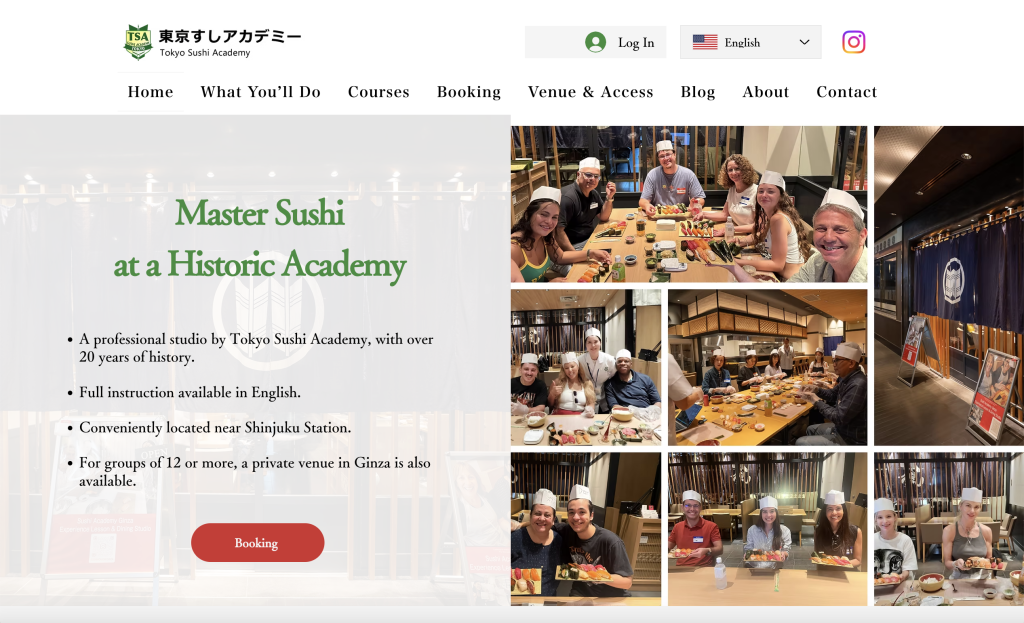
Tokyo Sushi Academy’s Ginza studio offers a premium sushi making experience led by a professional sushi instructor. The “Standard Nigiri & Dine” counter course (90–100 minutes) costs ¥13,200. Under the chef’s guidance, you learn to make 10 pieces of authentic nigiri sushi and get to taste them on the spot. This is a sit-at-counter format with up to 6 people; the chef demonstrates slicing and rice seasoning, then lets you shape nigiri yourself. A certificate is awarded at the end, and a drink (usually green tea) is included.
- Duration: 90–100 minutes.
- Price: ¥13,200 per person (tax included) for the counter lesson. There is also a shorter 60–75 min table course (¥9,900) for smaller groups, and private lessons for large groups (up to 12 people).
- Menu: Make and eat nigiri sushi with 10 different toppings prepared by the chef. The lesson is very hands-on and structured like a true sushi counter experience.
- Location: Ginza Velvia-kan, 2-4-6 Ginza (near Ginza Station Exit A13). From Ueno, take the Hibiya subway line 3 stops south to Ginza (~5 minutes).
- Good for: Couples or solo travelers looking for a refined experience. Suitable for beginners. Because it’s a small class (max 6 at the counter), you get personalized instruction. Not ideal for very young kids.
- Things to know: Reservations are required in advance. Arrive on time as classes start promptly. The setting is a sleek studio (in a shopping mall) in central Ginza – perfect for pairing with a Ginza shopping outing.
Sushi Making Class at Tsukiji Fish Market

https://www.japanwondertravel.com/posts/sushi-making-workshop-tokyo
For travelers who want the market atmosphere, this 90–95 minute class in Tsukiji (sponsored by Japan Wonder Travel) combines a short fish-market tour with sushi-making. A sushi chef prepares fresh ingredients from Tsukiji in front of you, then helps you make nigiri sushi using those ingredients. The session has an English-speaking MC and an artisan chef. You grind fresh wasabi, slice fish, and shape nigiri, then enjoy them on the spot. Sake and soft drinks are available to purchase on-site.
- Duration: ~1.5 hours.
- Price: About ¥10,000 per person (Klook shows ~US$78). Times usually 10:30 AM or 1:00 PM.
- Menu: Nigiri sushi (5–6 pieces per person) made from Tsukiji-sourced fish. Learning includes rice preparation and basic sushi etiquette.
- Location: Tsukiji Outer Market (near Tsukiji Station on the Hibiya Line). From Ueno, take the Hibiya subway line 4 stops south to Tsukiji (~8 minutes).
- Good for: Foodies who want a “market meets sushi” experience. Families and groups (all ages) enjoy watching the tuna cutting and fish prep. The English MC helps non-Japanese speakers follow along.
- Things to know: Limited class size, so book ahead. Check the meeting point at Tsukiji (often a shop or studio near the market) and arrive early. Cancellation policies vary by booking platform.
Choosing the Right Class
Location & Travel: Asakusa (Sushi Making Tokyo) and Kita-Senju are both 10–15 minutes from Ueno by train (Ginza Line to Asakusa; Joban Line to Kita-Senju). Ginza is even closer (5 min by subway). If your itinerary includes Skytree/Senso-ji, the Asakusa class is convenient. If you’re staying in Northeast Tokyo or visiting Tokyo Skytree from Ueno, consider Kita-Senju. Ginza/Tsukiji are a short ride south on the Hibiya Line and pair well with a Tokyo Station/Ginza shopping day.
Class Format: All of the above classes are hands-on and let you eat your sushi. The Tokyo Sushi-Making Tour class (Kita-Senju) and Food Activity Japan class (Asakusa) include both nigiri and maki. The Sushi Academy Ginza counter lesson focuses on nigiri only (but teaches slicing and high-end techniques). The Tsukiji class is a lively market-style demo and is great for learning authentic sushi skills (including fresh wasabi) and enjoying the market ambience.
Group Size & Atmosphere: Sushi Making Tokyo (Asakusa) has large shared classes (often tour groups, up to 10–30 per session). The Kita-Senju class is intentionally small and kid-friendly (max ~8 guests). The Ginza Academy counter is very small (≤6 guests) and somewhat formal. The Tsukiji tour is a small group (often limited to 10–12 for intimacy). If you prefer more interaction or questions, smaller classes (Ginza or Kita-Senju) might suit you better.
English Support: All listed classes provide English instruction. The Asakusa and Ginza instructors are fluent and used to tourists. The Kita-Senju class explicitly caters to English speakers and children (the website and reviews mention English-speaking staff). The Tsukiji class uses a bilingual guide/MC plus a Japanese chef.
Children & Families: The Kita-Senju class is specifically “kid-friendly” (suitable for ages ~8 and up). The Asakusa class allows children (the site notes ages 4+). The Ginza class does not explicitly target kids – it’s shorter and fairly intense, so it’s best for older kids or teenagers. The Tsukiji tour is family-friendly and often highlights are cutting a tuna or handling fresh ingredients, which kids enjoy. Always check minimum age: for example, Tokyo Sushi Academy requires participants 10+ for the counter course.
Dietary Restrictions: The Asakusa class offers vegetarian/vegan/halal options. Kita-Senju can accommodate allergies (inform in advance). Tsukiji is fish-centric, so vegetarian options are limited; ask the provider. If allergies or a strict diet are a concern, contact the class organizer before booking.
FAQ
Are there sushi-making classes in Ueno?
Not directly in Ueno itself. Nearby neighborhoods have the options listed above. Ueno Park and Ueno Station are convenient hubs from which to travel a short distance to the above classes.
How much do sushi-making classes cost?
Prices vary by provider and inclusions. The Asakusa class is ¥13,000 per person. Kita-Senju’s class is about ¥10,000. The Ginza class is ¥13,200 for 90 min. The Tsukiji class is about ¥10,000 for 90 min. Many classes offer child discounts or fixed group rates, so check the booking page for exact costs on your dates.
How do I get to these classes from Ueno?
- Asakusa: Take the Metro Ginza Line (down one stop) to Asakusa Station.
- Kita-Senju: Take the JR Joban Line north (2 stops) to Kita-Senju Station.
- Ginza: Take the Metro Hibiya Line (south 3 stops) or Ginza Line (transfers) to Ginza Station.
- Tsukiji: Take the Metro Hibiya Line (south 4 stops) to Tsukiji Station.
Travel times are usually 5–15 minutes; allow extra time to find the meeting point.
Will I eat the sushi I make?
Yes, all of the classes above include eating what you make. They typically provide drinks (tea or water); the Ginza class includes one drink. At Tsukiji you can purchase sake or soft drinks to enjoy with your sushi.
Can beginners join these classes?
Absolutely. All these experiences are designed for first-timers. The instructors guide you step-by-step. The Ginza course notes that even beginners are welcome and teaches all the basics. No prior skills are needed.
Can I book as a solo traveler?
Yes. Solo travelers are welcome in each of these classes. You will join a mixed group (except the private option in Ginza which requires 6 people). The classes are a good way to meet others too.
Wrap-Up
While Ueno doesn’t have its own sushi workshop, you have multiple accessible sushi-making experiences nearby. Asakusa’s Sushi Making Tokyo class is a convenient pick if you plan to visit Senso-ji. The Kita-Senju class is great for families with kids. Sushi Academy Ginza offers a high-end counter experience. And Tsukiji’s market class is perfect for combining sushi-making with the fish market ambiance.
Before booking, compare location and format: Are you looking for a quick 90-min session (Ginza or Tsukiji), or a longer family‐friendly experience (Kita-Senju)? Check each provider’s website for current schedules, exact prices (some vary by date or group size), and any advance requirements. Prepare to arrive early, wear comfortable casual clothes (and an apron is usually provided).
With these options, your Ueno trip can easily include an authentic sushi-making class. Pick the one that fits your itinerary and preferences, then book through the official site or authorized platform.