Best Sushi Experiences in Japan: Tokyo & Kyoto Sushi Classes Compared
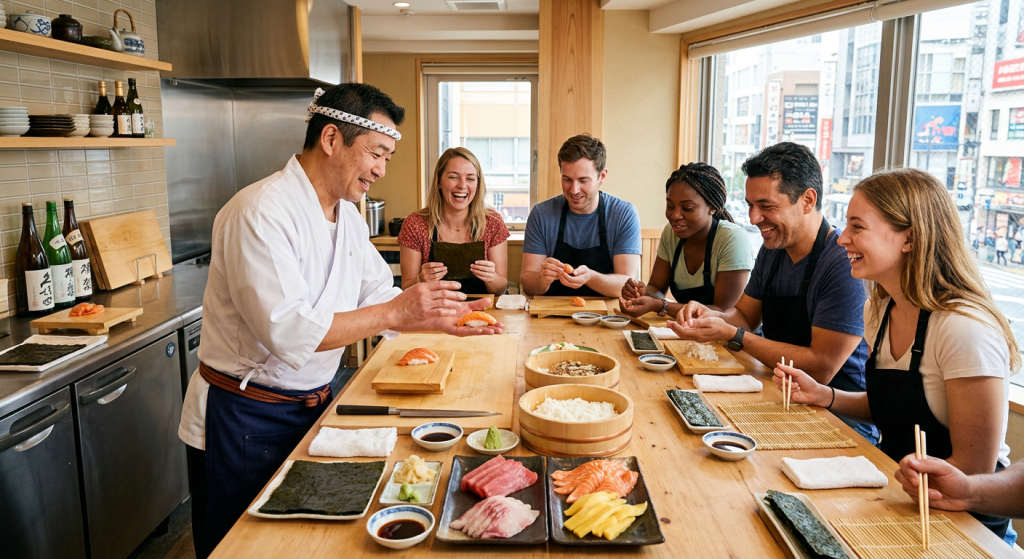
Sushi-making classes offer a fun, hands-on way to experience Japanese culture. In Tokyo and Kyoto, travelers can join English-friendly workshops where sushi chefs teach you to prepare rice, slice fresh fish, and roll nigiri or maki sushi. Classes typically last 1–1.5 hours (some with market tours take 3–4 hours) and cost roughly ¥6,000–¥15,000. For example, a popular Asakusa class costs ¥13,000 for 1.5 hours and includes making and eating your own sushi. Others, like a Kyoto sushi workshop, are ¥10,000 and even include a stroll through Nishiki Market. Below we compare top sushi-making experiences to help you choose the right class for your trip.
| Sushi-Making Class | Location (Nearest Station) | Duration | Price | Format | Highlights |
|---|---|---|---|---|---|
| Sushi Making Tokyo (Asakusa) | Asakusa (Asakusa Sta.) | 1.5h | From ¥13,000 | Group (up to 90) or private | Nigiri & maki sushi, eat your creations |
| Tsukiji Market Sushi Class (Japan Wonder Travel) | Tsukiji (Tsukiji Sta.) | 4h | From ~¥15,000 | Small Group (≤20) | Tsukiji fish market tour + sushi lesson (5 nigiri + 1 roll) |
| Shibuya Sushi Workshop with Chef | Shibuya (Shibuya Sta.) | 1.5h | From ¥6,500 | Group (max 6) | Nigiri, maki & gunkan (7 pieces) with 7 toppings, tenugui souvenir |
| Kyoto Sushi Lab (Sumaya) | Kyoto (Kyoto Sta.) | 1.5h | ¥10,000 | Group (2–10) | Vegan-friendly nigiri, temari & hand rolls, Nishiki Market tour |
Sushi Making Kakida: A Premium, Hands-On Sushi Experience in Tokyo
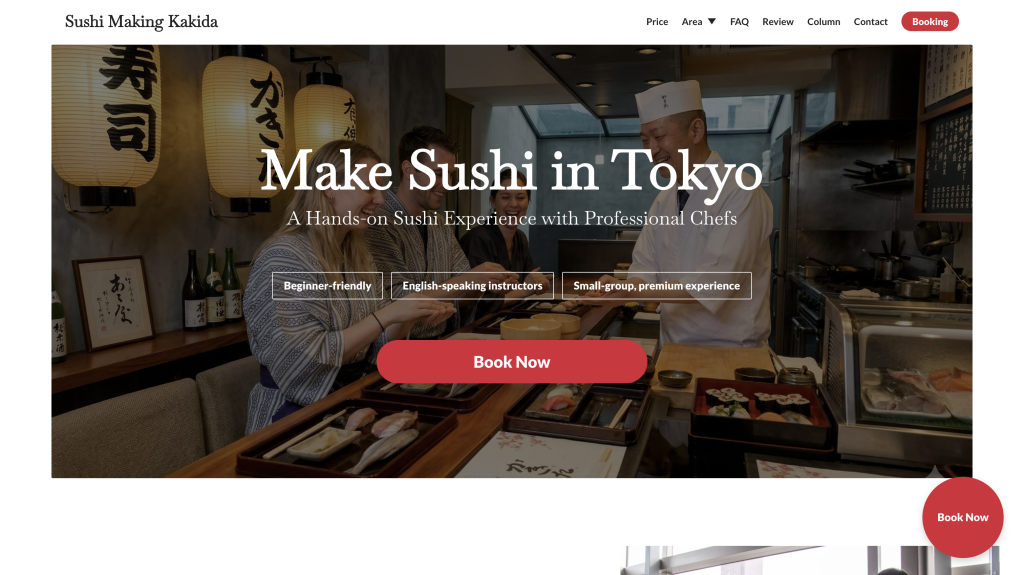
For travelers who want to do more than simply eat sushi, Sushi Making Kakida offers an authentic, hands-on experience guided by professional Japanese sushi chefs.
Rather than joining a large, demonstration-style cooking class, guests learn in a small, private-style group of up to four people. A professional sushi chef and English-speaking interpreter guide you through each step, making the experience easy to follow even if you have never cooked or made sushi before.
During the class, you will learn how to shape traditional nigiri and make approximately 10 pieces of sushi using fresh, high-quality ingredients. Depending on seasonal availability, the selection may include premium toppings such as otoro fatty tuna, chutoro medium-fatty tuna, akami lean tuna, sea urchin, scallop, sea bream, salmon and other Japanese seafood.
The experience is not only educational but also highly interactive. You can watch a professional chef demonstrate authentic techniques, practise making nigiri yourself, eat the sushi you have created and take memorable photos at the sushi counter while wearing a traditional Japanese kappogi apron.
Sushi Making Kakida has already welcomed international visitors from around the world. With clear English support, personal attention and a relaxed atmosphere, it is an excellent choice for couples, families, solo travelers and small groups looking for a memorable Japanese cultural experience.
More Than a Sushi Class: Experience the World of Japanese Tuna
What makes Sushi Making Kakida particularly special is the expertise of the restaurant group behind it.
The Kakida team also operates spectacular maguro tuna-cutting shows, where professional sushi chefs break down whole bluefin tuna weighing more than 100 kilograms in front of an audience. These live events have been held for corporate parties, international exchange events, weddings and large-scale gatherings with hundreds of guests.
Unlike a typical cooking workshop, Sushi Making Kakida is backed by working sushi professionals who regularly source, prepare and serve premium tuna and seafood. Their knowledge extends far beyond showing guests how to shape rice—the team understands how fish is selected, cut and transformed into high-quality sushi.
The tuna-cutting show is a separate event service and is not included in the standard sushi-making class. However, it demonstrates the level of craftsmanship, seafood knowledge and entertainment experience behind the Kakida name.
For visitors searching for a sushi making class in Tokyo or Shinjuku, Sushi Making Kakida offers more than a fun activity. It is an opportunity to step behind the sushi counter, learn directly from professionals and experience one of Japan’s most iconic culinary traditions for yourself.
Make sushi, meet real Japanese chefs and create a Tokyo memory you can actually taste.
Sushi Making Tokyo (Asakusa)
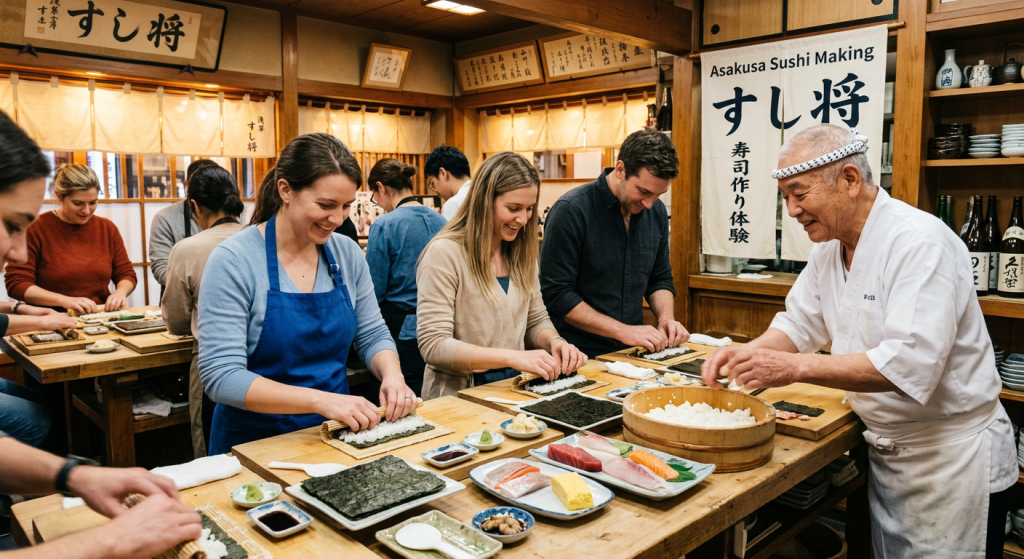
In central Tokyo’s historic Asakusa area, Sushi Making Tokyo (operated by Food Activity Japan) offers a 90-minute class with a professional sushi chef. The studio is just a 3-minute walk from Asakusa Station. English instruction is provided throughout. During the class you learn to prepare authentic sushi rice, handle and cut fish, and form classic nigiri and maki rolls. All tools and ingredients (high-quality tuna, salmon, etc.) are supplied, and you even get to eat the sushi you make. The price is ¥13,000 per person, which includes instruction, ingredients, and your sushi lunch. This class is family-friendly (children under 3 join free) and can accommodate large groups (up to 90 people). It’s well-suited to beginners and first-time visitors: no prior experience is needed, and the chef guides everyone step-by-step.
Key points: Central Asakusa location (near Senso-ji), 1.5 hours, ¥13,000. Hands-on lesson in making and eating nigiri and rolls. English-speaking instructor. Good for families, large groups or solo travelers. Note: diet-friendly options (vegetarian, halal, etc.) are available with advance notice.
Tsukiji Market Tour & Sushi Class (Japan Wonder Travel)
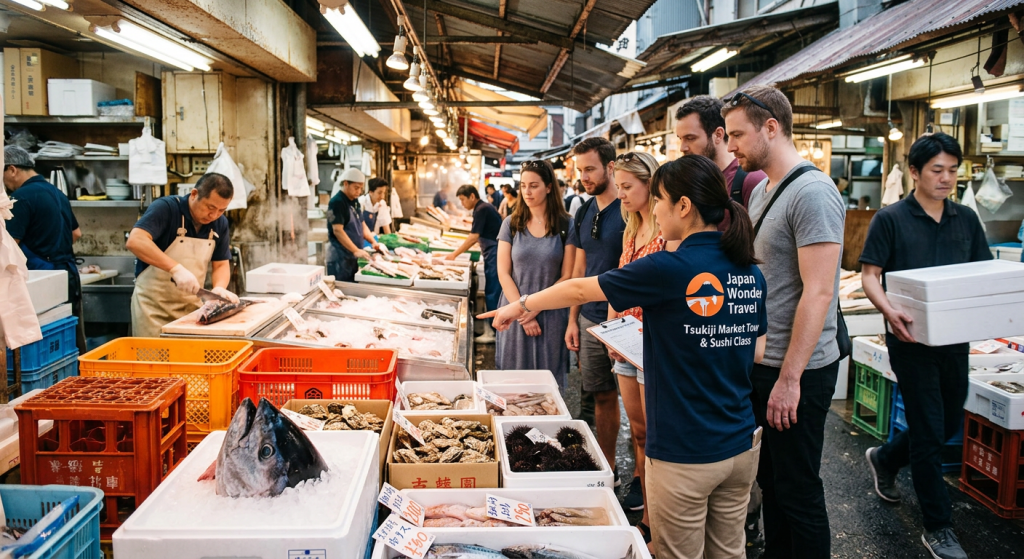
For a deeper cultural experience, Japan Wonder Travel offers a Tsukiji Fish Market Tour + Sushi Class (about 4 hours total). After meeting at the Tsukiji outer market information center, you’ll take a guided walk through the historic market before a sushi workshop. In the cooking studio, an English-speaking host and sushi master teach you to make five pieces of nigiri sushi and one rolled sushi, using fresh ingredients from the market. This comprehensive tour includes professional demonstration (often a tuna cutting show) and plenty of hands-on practice. The class fee is roughly from $97.98 (~¥15,000), which covers market tour, sushi lesson, and all ingredients. Small-group format (max ~20 participants) keeps it interactive. This is ideal for food-lovers who want the full market-to-table experience.
Key points: Includes Tsukiji market visit (glass eel, tuna stalls) plus a 2–3h sushi workshop. Costs roughly ¥15,000 (price varies). Class in English with a professional chef. Good for cultural insight and older kids (infants sit on laps). Duration: about 4 hours (including tour). Not recommended if you’re short on time, but great if your itinerary allows a half-day food adventure.
Shibuya Hands-On Sushi Workshop with Chef
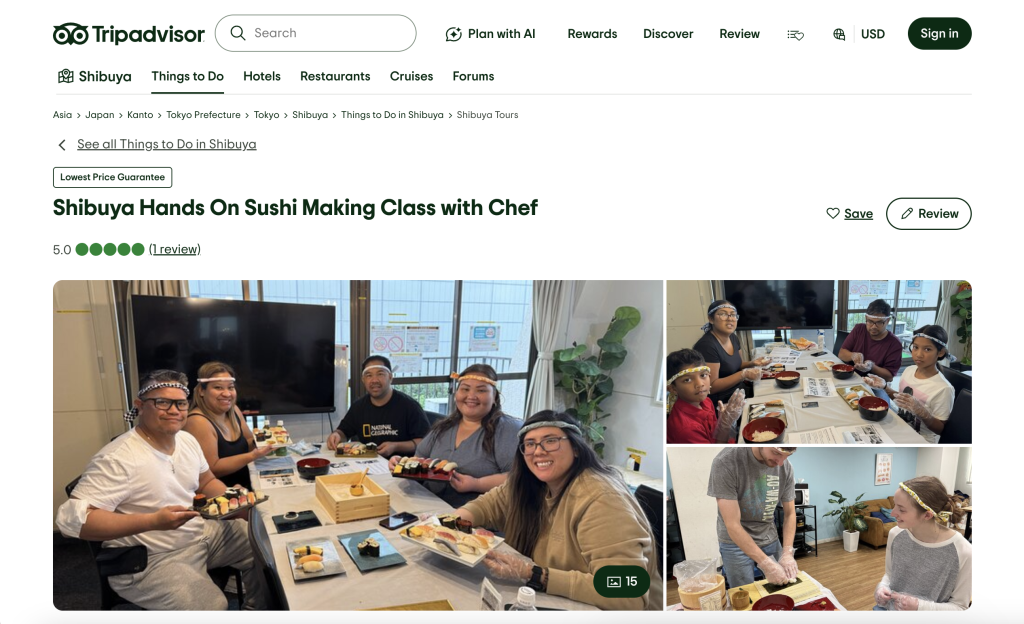
In bustling Shibuya, the Hands-On Sushi Making Class is a quick, 90-minute workshop priced around ¥6,500 ($49.94). A professional sushi chef demonstrates authentic sushi-making techniques, and participants each make about 7 pieces: nigiri, maki rolls, and even gunkan (boat sushi). English guidance is provided and everyone wears a traditional headband. The class supplies over 7 types of toppings (tuna, salmon, shrimp, roe, etc.) plus sushi rice. It also includes a traditional tenugui (hand towel) souvenir. Group size is small (max ~6 people), so you get personalized attention. This quick class is great if you have limited time in Tokyo. It’s held near Shibuya Station (follow a local landmark like the “cherry blossom vending machine” to the meeting point).
Key points: 1.5h class in Shibuya, ~¥6,500. Create nigiri, maki and gunkan sushi (7 pieces) with premium toppings. English instructions. Small intimate group. Includes all ingredients and a souvenir towel. Family-friendly (infants on laps). Best for those on a short Tokyo itinerary who want a hands-on taste of sushi-making.
Sushi Lab Kyoto (near Nishiki Market)
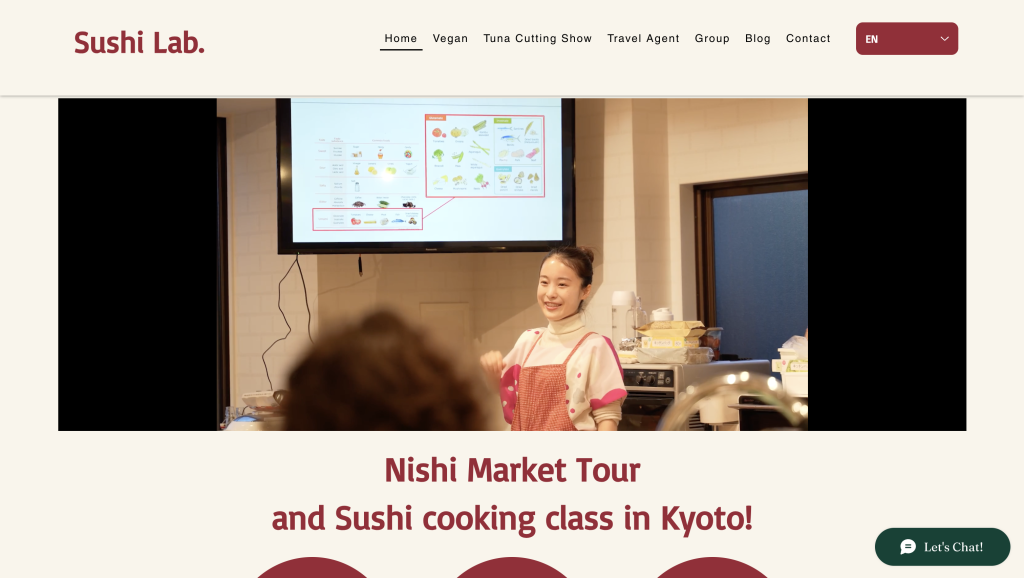
Outside Tokyo, Sushi Lab. by Sumaya in Kyoto offers a similar experience with a local twist. Held near Nishiki Market (a few minutes from Kyoto Station), this 90-minute class costs ¥10,000 per person. It’s popular with vegetarians and families because the menu emphasizes vegetarian and vegan sushi. In this workshop you’ll make “nigiri, temari, and hand-roll” style sushi using fresh (seasonal) ingredients. Before the class, participants can stroll the Nishiki fish market with the instructor, then return to the kitchen to craft your sushi with the market’s produce. Instruction is in English (course materials are bilingual). This class seats 2–10 people, so it has a cozy atmosphere.
Key points: 1.5h class in central Kyoto, ¥10,000. Combines Nishiki Market tour and sushi workshop. Focus on creative vegetarian sushi (nigiri, temari balls, hand rolls). English-language instruction. Good for vegans and those sightseeing in Kyoto. Not as well known as Tokyo classes, but offers insight into Kyoto’s food culture.
How to Choose the Right Sushi Class

When picking a sushi experience, consider location and schedule. Tokyo’s Asakusa, Shibuya or near Tokyo Tower locations are easy to reach by train, while the Kyoto class is best for Kansai itineraries. Shorter 1–1.5 hour classes (Asakusa, Shibuya) fit neatly into a day of sightseeing. The longer Tsukiji tour (3–4h) includes a market visit, so reserve a half-day slot for it.
Also compare class format. All listed classes are hands-on (you make the sushi) with English guidance. Most are shared classes; Sushi Making Tokyo can also be booked privately. Think about group size: Asakusa’s location handles large groups (up to 90), while Shibuya’s workshop limits to around 6–8 people for a more intimate feel.
Cost can range widely. A basic 90-min lesson costs about ¥6,000–¥8,000 (Shibuya, short Tsukiji class). Longer or tour-inclusive classes cost more (up to ~¥15,000). Prices vary by season and booking site, so check the official or authorized platform for current rates.
Sushi variety is another factor. If you want to try making different sushi styles, note: the Shibuya class includes nigiri, maki and even gunkan, and Sushi Lab Kyoto teaches multiple forms (nigiri, hand rolls, temari). Tsukiji and Asakusa focus on nigiri and a roll (you’ll make around 5–6 pieces each).
Special features: Market tours add cultural context. The Tsukiji and Kyoto classes both begin with market visits, which is great for foodies. Shibuya’s class includes a souvenir hand towel, a fun keepsake. Check if a class has dietary accommodations: Sushi Lab Kyoto is explicitly vegan-friendly, and Sushi Making Tokyo (Asakusa) offers vegetarian and allergy options. Always notify instructors of any food restrictions when booking.
What to Expect in a Sushi-Making Class

Hands-on training: Every class begins with a demonstration. The sushi chef typically shows you how to wash and season rice, cut fish, and form nigiri. Then participants roll up their sleeves and make sushi under guidance. Expect to learn by doing: you will form rice balls, add toppings, and make 5–10 pieces of sushi yourself.
Ingredients and tools: All classes provide essentials: sushi rice, nori sheets, fresh fish/vegetables, and utensils. For example, the Shibuya class supplies over seven toppings (tuna, salmon, shrimp, etc.) and even offers a souvenir sushi-hand towel. If you have allergies or follow a special diet, notify the provider beforehand – many can adjust ingredients.
Structure: Classes include instructions, hands-on practice, and usually a tasting. Most experiences end by sitting down together to eat the sushi you made. Casual etiquette and Japanese culture (e.g. how to handle chopsticks or say “itadakimasu”) may also be explained. Attire is informal; aprons and a headband (hachimaki) are often provided.
Group setting: You’ll be grouped with other travelers or local students. Even if you book solo, expect to join a shared table unless you reserve a private session. Instructors and assistants are there to help each person shape sushi properly. Ask questions freely – classes encourage a fun, interactive atmosphere.
Price, Duration & Booking Tips
Prices fluctuate by date and group size. The figures above are base rates – final price may change with peak seasons or platform fees. For accurate info, check the official class website or an authorized booking site (GetYourGuide, Viator, Klook, etc.). For example, the Asakusa class is ¥13,000 per person, while the Kyoto class is a flat ¥10,000. Sometimes children get discounted rates – inquire if you’re booking with kids.
Booking in advance is wise, especially in summer or weekends. Most classes allow free cancellation up to 24 hours ahead. When booking, double-check: meeting point, whether sushi is included to eat, and what (if anything) to bring. Since details can change, confirm on the official page. If a reservation requires a minimum number and you’re a solo traveler, ask what happens if the class is canceled for low attendance.
Suitable for Families, Couples, and Solo Travelers
All the classes listed welcome learners of all levels. Families with children (as young as 3 or 4) can usually join, though infants typically sit on an adult’s lap. Sushi workshops tend to be kid-friendly (many children love choosing ingredients and shaping rice). Couples and friends will enjoy the novelty of working together, and solo travelers will not feel out of place – tables are often mixed and it’s easy to chat with fellow participants. Large groups or corporate teams may favor the Asakusa or Tsukiji options, which can accommodate more people.
Frequently Asked Questions
Are the classes taught in English? Yes. Each of the above classes is conducted by English-speaking staff or guides. Instructors explain every step in clear English, and printed recipes or instructions are often bilingual. Always confirm language when booking, but these options are explicitly aimed at international visitors.
Will I eat the sushi I make? In all cases listed, yes – part of the fun is enjoying your creations. Sushi Making Tokyo explicitly notes “you get to enjoy the sushi you make at the end of the class”. The Shibuya and Tsukiji classes likewise include tasting, often with small sides like miso soup or tea. Plan not to eat a big meal beforehand if you want to fully enjoy the class.
Can children participate? Most classes allow children (often aged 3 or older) under parental supervision. For example, the Asakusa class lets kids under 3 join free by sitting with a parent, and the Shibuya class notes infants on laps. However, very young children may not sit still for the full session. Check the minimum age with the provider. Also ask if there are extra child-size aprons or seats.
Are vegetarian or halal options available? Yes for some classes. Sushi Making Tokyo in Asakusa offers vegetarian, vegan, and halal ingredients by request. The Kyoto sushi class is entirely plant-based (vegan sushi). Even for fish-based classes, many instructors will substitute cooked or veggie toppings for those with dietary restrictions. It’s best to inform the class operator when you book so they can prepare appropriate ingredients.
Do I need to book ahead? It’s recommended to reserve in advance, especially during holiday seasons. The popular classes often fill up, and some require minimum sign-ups. Many platforms allow booking up to a few days before, but availability can be limited. You’ll usually get immediate confirmation. If you find a class that fits your schedule, it’s wise to book it while you can. That ensures you get the date and time you want.
Conclusion
In Japan, a sushi-making class is a rewarding cultural activity that suits a variety of travelers. Tokyo offers many options (see table above), from quick Shibuya workshops to immersive market tours, while Kyoto’s Sushi Lab provides a convenient alternative for Kansai visitors. Consider your schedule, budget, and interests: families may enjoy the market visit in Tsukiji or Kyoto, whereas a couple or solo traveler on a tight schedule might prefer the 90-minute Shibuya or Asakusa class. All these experiences include hands-on training and an English-speaking instructor, so check their official booking pages for the latest details and to secure your spot. With any of these classes, you’ll walk away not only with tasty sushi to enjoy, but also new skills and memories from Japan’s world of sushi culture.