Best Sushi-Making Classes in Tokyo: Prices, Locations, and What to Expect
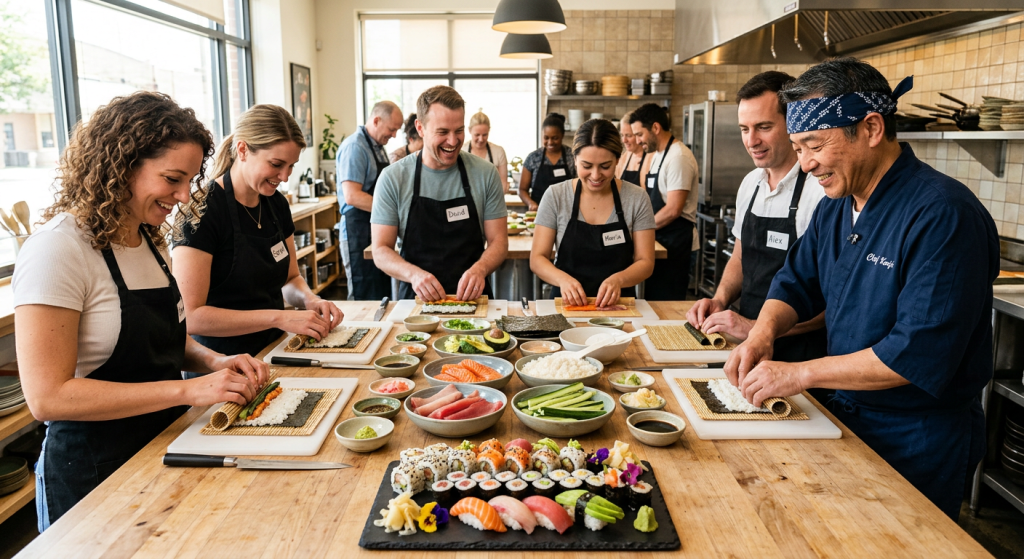
Making sushi in Tokyo is one of the best ways to experience Japanese food culture beyond simply dining at a restaurant. A hands-on sushi-making class allows you to learn traditional techniques, work with Japanese ingredients, meet local instructors, and enjoy the sushi you create.
Tokyo offers a wide range of classes, from beginner-friendly workshops in Asakusa to intimate chef-led experiences and market tours in Tsukiji. Prices, class sizes, locations, and menus vary, so the right option depends on your schedule, budget, and preferred style of experience.
This guide compares several popular sushi-making classes in Tokyo, including their prices, locations, duration, and what you can expect during each class.
Quick Comparison of Sushi-Making Classes in Tokyo
| Sushi-making experience | Area | What you make | Duration | Price per person |
|---|---|---|---|---|
| Sushi Making Tokyo | Asakusa | Nigiri and maki rolls | About 1.5 hours | ¥13,000 |
| NOBU Sushi Making Class Tokyo | Nakameguro | Nigiri, maki, and tamagoyaki | About 2 hours | ¥19,500 |
| Tsukiji Market Sushi Workshop | Tsukiji | Five pieces of nigiri and one sushi roll | About 1.5 hours | From approximately ¥7,000 |
| Sushi Making Kakida | Tokyo / Shinjuku area | Approximately 10 pieces of premium nigiri | Varies by plan | Check the official booking page |
Prices and class details may change depending on the booking date, group size, and reservation platform. Check the latest information before booking.
Recommended Sushi-Making Classes in Tokyo
1. Sushi Making Tokyo in Asakusa
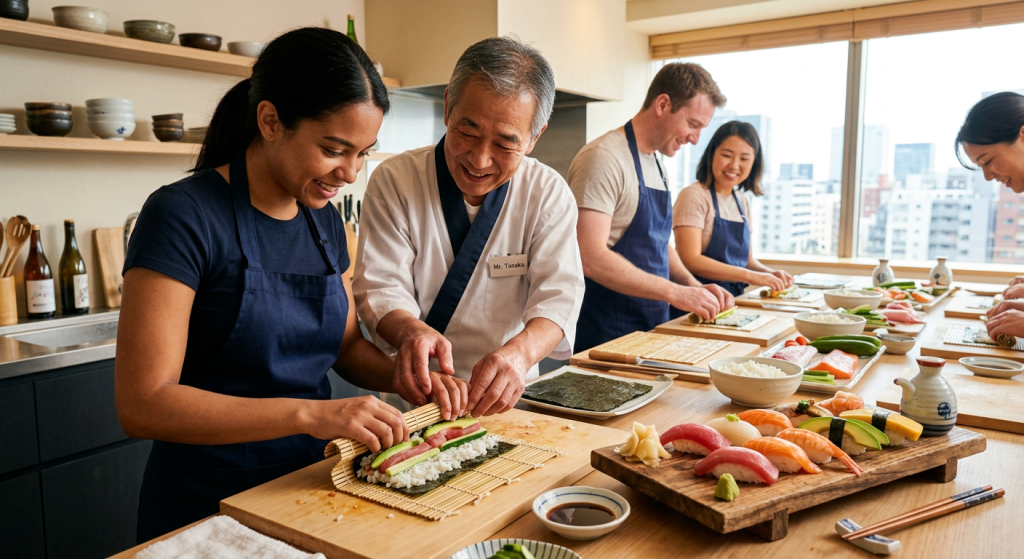
Sushi Making Tokyo offers a beginner-friendly sushi-making class in Asakusa, one of Tokyo’s most popular sightseeing districts.
The studio is approximately a three-minute walk from Asakusa Station, making it easy to combine the class with visits to Senso-ji Temple, Nakamise Shopping Street, or Tokyo Skytree.
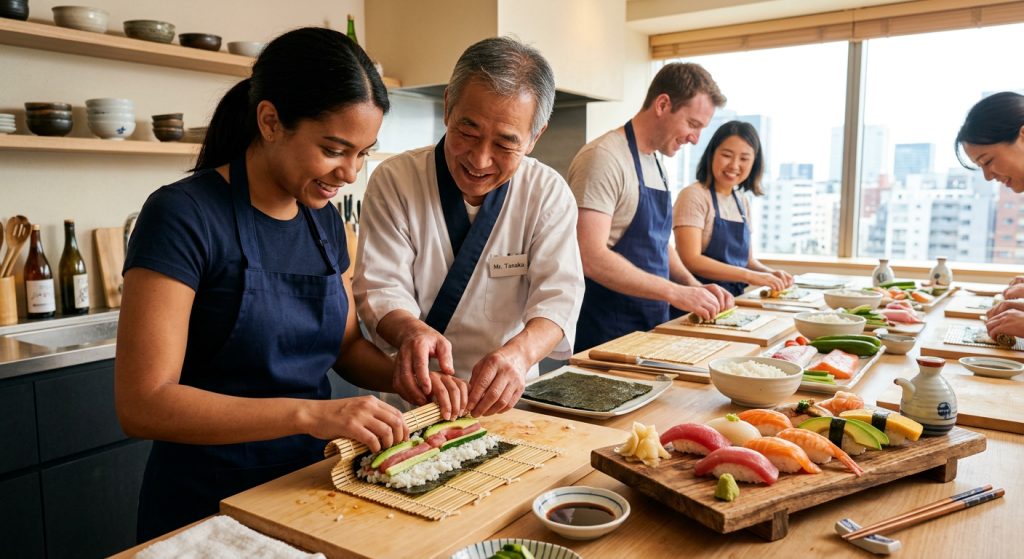
During the approximately 1.5-hour class, participants learn how to shape nigiri sushi and prepare maki rolls using ingredients such as tuna and salmon. English-speaking instructors guide guests through each step, so no previous cooking experience is required.
Ingredients, cooking equipment, and utensils are included. Vegetarian, vegan, halal, and allergy-friendly ingredients may also be available when requested in advance.
The studio can accommodate individuals, small groups, private bookings, and larger groups of up to approximately 90 people.
Best for: First-time visitors, families, beginners, and travelers sightseeing in Asakusa
Price: Approximately ¥13,000 per person
Duration: Approximately 1.5 hours
Nearest station: Asakusa Station
2. NOBU Sushi Making Class Tokyo in Nakameguro
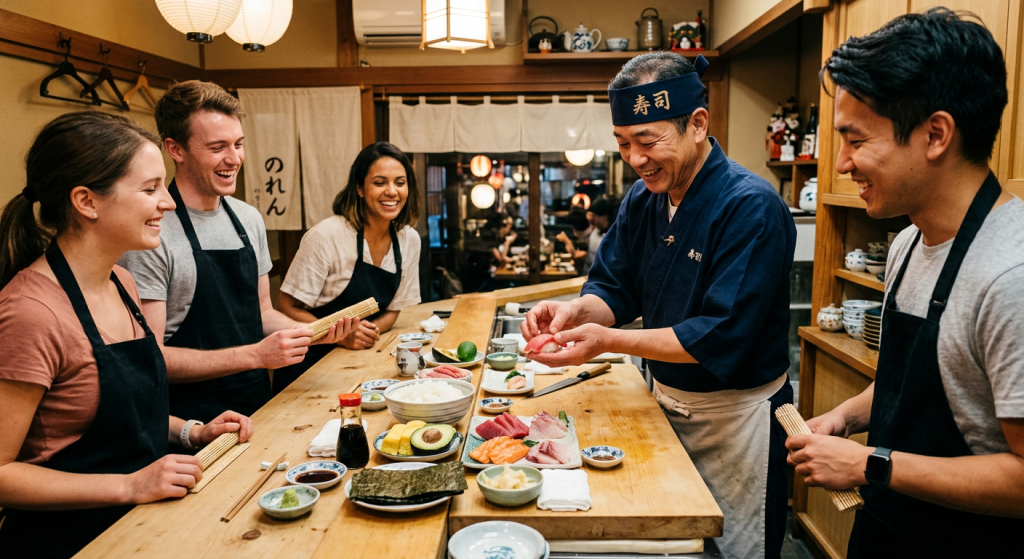
NOBU Sushi Making Class Tokyo provides a more intimate, chef-led experience in the Nakameguro area of Meguro.
The class is taught by an experienced sushi chef and takes place in a traditional setting approximately eight minutes on foot from Nakameguro Station.
Participants learn how to prepare nigiri, sushi rolls, and tamagoyaki, a slightly sweet Japanese rolled omelet. After the lesson, guests sit down and enjoy the sushi they have prepared.
English-language guidance is available, making the class accessible to international visitors.
The group lesson lasts approximately two hours and costs ¥19,500 per person. However, the class generally requires a minimum of two participants, which means solo travelers may need to pay a higher total price.
Children aged three and above can generally participate in the group class. Private lessons for families and groups may also be available.
Best for: Couples, food enthusiasts, and travelers seeking a smaller chef-led class
Price: Approximately ¥19,500 per person for a group lesson
Duration: Approximately two hours
Nearest station: Nakameguro Station
3. Tsukiji Market Sushi Workshop
A Tsukiji sushi-making class is a good choice for travelers who want to combine a cooking lesson with an introduction to Tokyo’s seafood culture.
One example is a workshop near Tsukiji Outer Market that includes a live fish-cutting demonstration by a sushi chef, followed by a hands-on lesson. Participants typically prepare five pieces of nigiri and one rolled sushi item using fresh ingredients associated with the market.
The standard class lasts approximately 90 minutes and costs around $52 to $55, or approximately ¥7,000, per person.
Some providers can accommodate vegetarian and gluten-free requests by replacing certain ingredients when arranged in advance.
Longer market tour packages may also be available. These can include a walk through Tsukiji Outer Market, sashimi tasting, a tuna-cutting demonstration, and the sushi-making lesson. Extended tours generally last around four hours and may cost approximately $96, or ¥13,000, per person.
Best for: Seafood lovers and travelers interested in Tsukiji Market
Price: From approximately ¥7,000 per person
Duration: Approximately 1.5 hours for the standard class
Nearest station: Tsukiji Shijo Station
4. Sushi Making Kakida: A Premium Hands-On Sushi Experience
Sushi Making Kakida is a strong option for travelers who want to learn sushi-making directly from professional Japanese sushi chefs in a smaller, more personal setting.
Rather than joining a large demonstration-style class, guests participate in a private-style group of up to four people. A professional sushi chef and an English-speaking interpreter guide participants through each stage of the experience.
The small group format makes the lesson easy to follow, even for guests who have never cooked Japanese food or made sushi before.
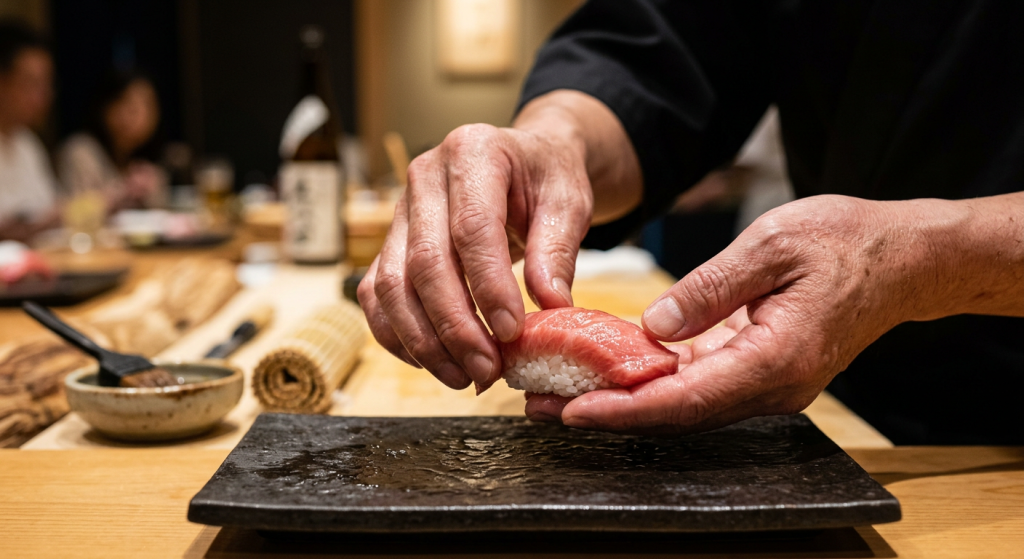
During the experience, participants learn how to shape traditional nigiri and prepare approximately 10 pieces of sushi using high-quality seafood.
Depending on seasonal availability, the toppings may include:
- Otoro fatty tuna
- Chutoro medium-fatty tuna
- Akami lean tuna
- Sea urchin
- Scallop
- Sea bream
- Salmon
- Other seasonal Japanese seafood
Guests first watch the chef demonstrate authentic techniques and then practise making nigiri themselves. Afterward, they can enjoy the sushi they have prepared.
Participants may also take photos at the sushi counter while wearing a traditional Japanese kappogi apron, adding another memorable element to the experience.
Sushi Making Kakida has welcomed international visitors from around the world. Its English support, personal instruction, and relaxed atmosphere make it suitable for couples, families, solo travelers, and small groups.
Best for: Travelers seeking a premium, small-group sushi experience
Group size: Up to four participants
What you make: Approximately 10 pieces of premium nigiri
Language support: Professional English-speaking interpreter available
What Makes Sushi Making Kakida Different?
Learn From Working Japanese Sushi Professionals
Sushi Making Kakida is operated by a restaurant group with extensive experience sourcing, preparing, and serving premium tuna and seafood.
The lesson therefore goes beyond simply showing participants how to place fish on rice. Guests can learn from professionals who understand how seafood is selected, cut, prepared, and transformed into high-quality sushi.
This professional background gives the experience a level of authenticity that may be difficult to find in a standard tourist-oriented cooking class.
Small-Group, Private-Style Instruction
Many popular sushi classes in Tokyo are held in larger shared groups. Sushi Making Kakida limits the experience to a small number of participants, allowing the chef and interpreter to provide more personal guidance.
This format is especially suitable for:
- Couples
- Families
- Solo travelers
- Small groups of friends
- Visitors who prefer a quieter experience
- Guests who want more opportunities to ask questions
A Connection to Japanese Tuna Culture
The Kakida team also operates large-scale maguro tuna-cutting shows.
During these events, professional sushi chefs break down whole bluefin tuna weighing more than 100 kilograms in front of an audience. The shows have been organised for corporate events, weddings, international gatherings, and large parties.
The tuna-cutting show is a separate service and is not included in the standard sushi-making class. However, it demonstrates the seafood knowledge, knife skills, and entertainment expertise behind the Kakida brand.
For visitors looking for more than a typical cooking activity, Sushi Making Kakida offers an opportunity to experience the craftsmanship and culture surrounding Japanese sushi and tuna.
How to Choose the Best Sushi-Making Class in Tokyo
The best class depends on your location, budget, travel schedule, and the type of experience you want.
Choose Asakusa for a Convenient Beginner-Friendly Class
Sushi Making Tokyo is convenient for travelers visiting Asakusa, Ueno, or Tokyo Skytree.
Its relatively short duration and beginner-friendly format make it easy to include in a busy sightseeing itinerary. It is also suitable for larger groups and travelers with dietary requirements.
Choose Nakameguro for an Intimate Chef-Led Lesson
NOBU may appeal to travelers staying near Shibuya, Ebisu, or Nakameguro.
The class is more intimate and includes several traditional items, including nigiri, maki, and tamagoyaki. However, solo travelers should check the minimum booking requirement before reserving.
Choose Tsukiji for a Market and Seafood Experience
A Tsukiji workshop is ideal for travelers interested in Japanese seafood, fish markets, and tuna-cutting demonstrations.
The shorter class is often one of the more affordable options, while the longer tour provides a broader cultural and sightseeing experience.
Choose Sushi Making Kakida for Premium Ingredients and Personal Attention
Sushi Making Kakida is best suited to travelers who value small-group instruction, professional chefs, premium seafood, and a more private atmosphere.
It may be particularly appealing to couples, families, and small groups who want the experience itself to be one of the highlights of their Tokyo trip.
What to Expect During a Sushi-Making Class
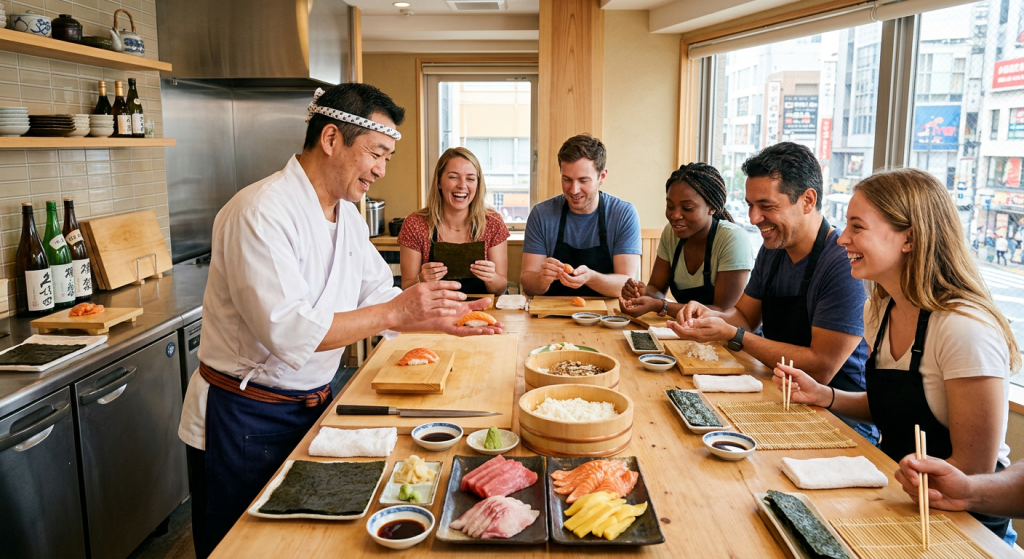
Most sushi-making classes in Tokyo begin with an introduction to sushi rice, seafood, and essential ingredients.
After washing their hands, participants may put on an apron or chef-style outfit before learning how to handle sushi rice correctly.
The instructor usually demonstrates how to:
- Portion and shape sushi rice
- Place seafood toppings on the rice
- Form nigiri without pressing too firmly
- Prepare and roll maki sushi
- Present the finished sushi attractively
Participants then practise each technique with guidance from the instructor.
At the end of the class, guests eat the sushi they have made. Depending on the provider, the meal may also include miso soup, green tea, side dishes, or other accompaniments.
Some classes provide printed recipes, certificates, photographs, or small souvenirs.
Are Sushi-Making Classes Suitable for Beginners?
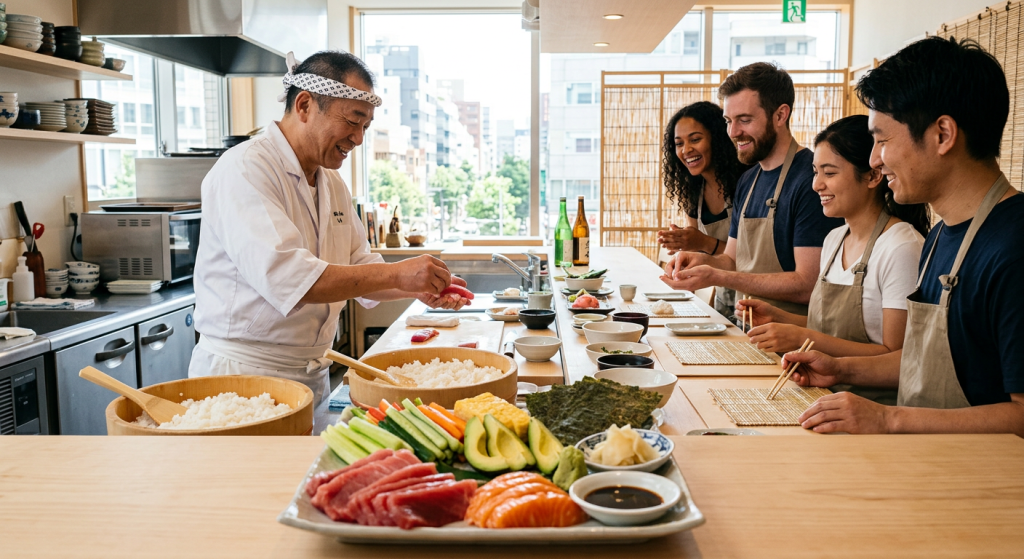
Yes. Most sushi-making classes in Tokyo are designed for visitors with no previous cooking experience.
Instructors demonstrate each technique step by step, and the seafood is generally prepared in advance. Participants usually focus on shaping the rice, assembling the sushi, and learning the basic movements used by sushi chefs.
English-speaking instruction or interpretation is also available at many classes.
Can Solo Travelers Join a Sushi-Making Class?
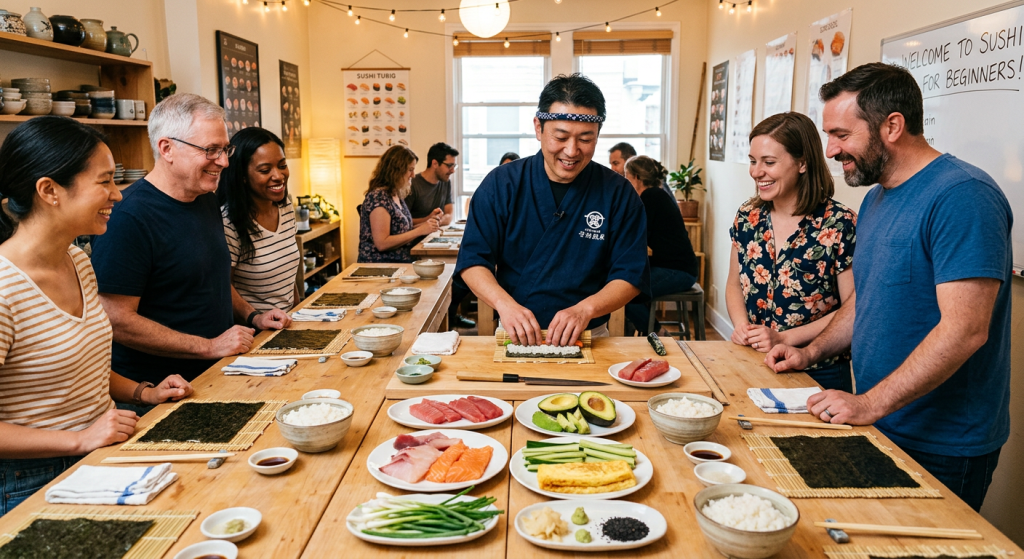
Many sushi-making classes accept solo bookings, but booking rules differ by provider.
Sushi Making Tokyo and many Tsukiji workshops typically allow individual reservations. NOBU may require a minimum of two participants for its standard group price.
Small-group experiences such as Sushi Making Kakida may also be suitable for solo travelers, although availability and pricing should be confirmed before booking.
Are Vegetarian, Halal, or Gluten-Free Options Available?
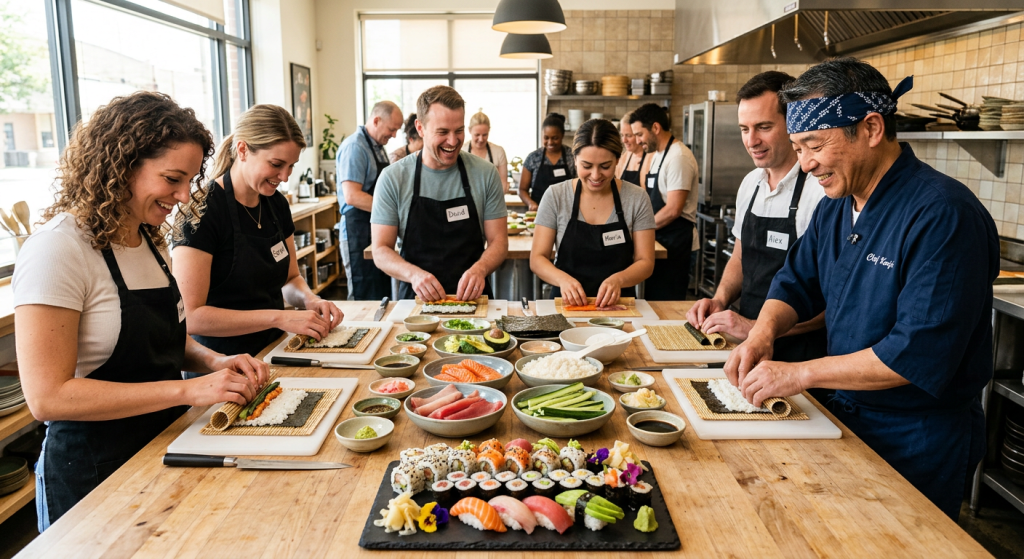
Some sushi-making classes can accommodate dietary requirements, but arrangements should be made before the class.
Sushi Making Tokyo may offer vegetarian, vegan, halal, and allergy-friendly ingredients with advance notice. Some Tsukiji providers also provide vegetarian or gluten-free substitutions.
Other classes may not be able to change their standard menus. Guests with allergies or strict dietary requirements should contact the provider directly before making a reservation.
How Much Does a Sushi-Making Class in Tokyo Cost?
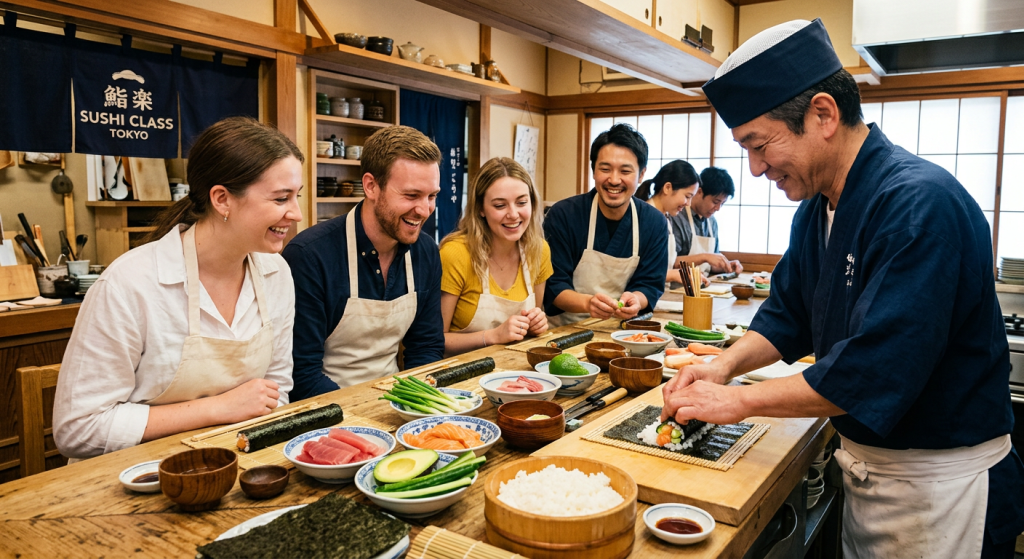
A typical sushi-making class in Tokyo costs between approximately ¥7,000 and ¥20,000 per person.
The final price depends on several factors:
- Class duration
- Group size
- Location
- Ingredient quality
- Private or shared format
- English interpretation
- Market tours or demonstrations
- Additional food and drinks
Basic group workshops are generally less expensive. Private classes, premium seafood experiences, and chef-led lessons tend to cost more.
Booking Tips for Sushi-Making Classes in Tokyo
Popular sushi-making classes can sell out during weekends, Japanese public holidays, and peak travel periods.
Book in advance whenever possible, particularly during:
- Cherry blossom season
- Golden Week
- Summer holidays
- Autumn foliage season
- Christmas and New Year
- Major international events
Before booking, confirm the cancellation policy, meeting location, minimum age, dietary options, and whether the displayed price applies to solo travelers.
You should also check whether drinks, market tours, recipes, or additional dishes are included in the price.
Frequently Asked Questions About Sushi-Making Classes in Tokyo
How long does a sushi-making class in Tokyo take?
Most classes last between 1.5 and two hours. Classes that include a market tour, seafood tasting, or tuna-cutting demonstration may last three to four hours.
Do I need cooking experience?
No. Most classes are designed for complete beginners, and the instructor demonstrates each step before participants try it themselves.
Do sushi-making classes offer English instruction?
Many classes aimed at international visitors provide English-speaking instructors or interpreters. Always confirm the language options before booking.
Can children participate?
Many classes accept children, but the minimum age varies. NOBU generally accepts children aged three and above, while some Tsukiji workshops may begin accepting children from age four.
Do I eat the sushi I make?
Yes. Eating your handmade sushi is usually the final part of the experience.
Should I book a private or group class?
A group class is generally more affordable and social. A private or small-group class provides more personal instruction and may be better for couples, families, and travelers with specific dietary or language needs.
Final Thoughts: Finding the Right Sushi-Making Experience in Tokyo
Tokyo’s sushi-making classes range from convenient beginner workshops to premium chef-led experiences.
Sushi Making Tokyo in Asakusa is a practical option for first-time visitors and larger groups. NOBU offers a more intimate lesson in Nakameguro, while Tsukiji workshops combine sushi-making with Tokyo’s famous seafood culture.
For travelers seeking professional instruction, premium ingredients, and a private-style atmosphere, Sushi Making Kakida offers a distinctive alternative. Guests can learn directly from Japanese sushi professionals, make approximately 10 pieces of nigiri, and enjoy a closer look at the techniques behind one of Japan’s most iconic culinary traditions.
Compare the location, duration, menu, class size, dietary options, and price before booking. The right sushi-making class can become one of the most memorable—and delicious—experiences of your trip to Tokyo.